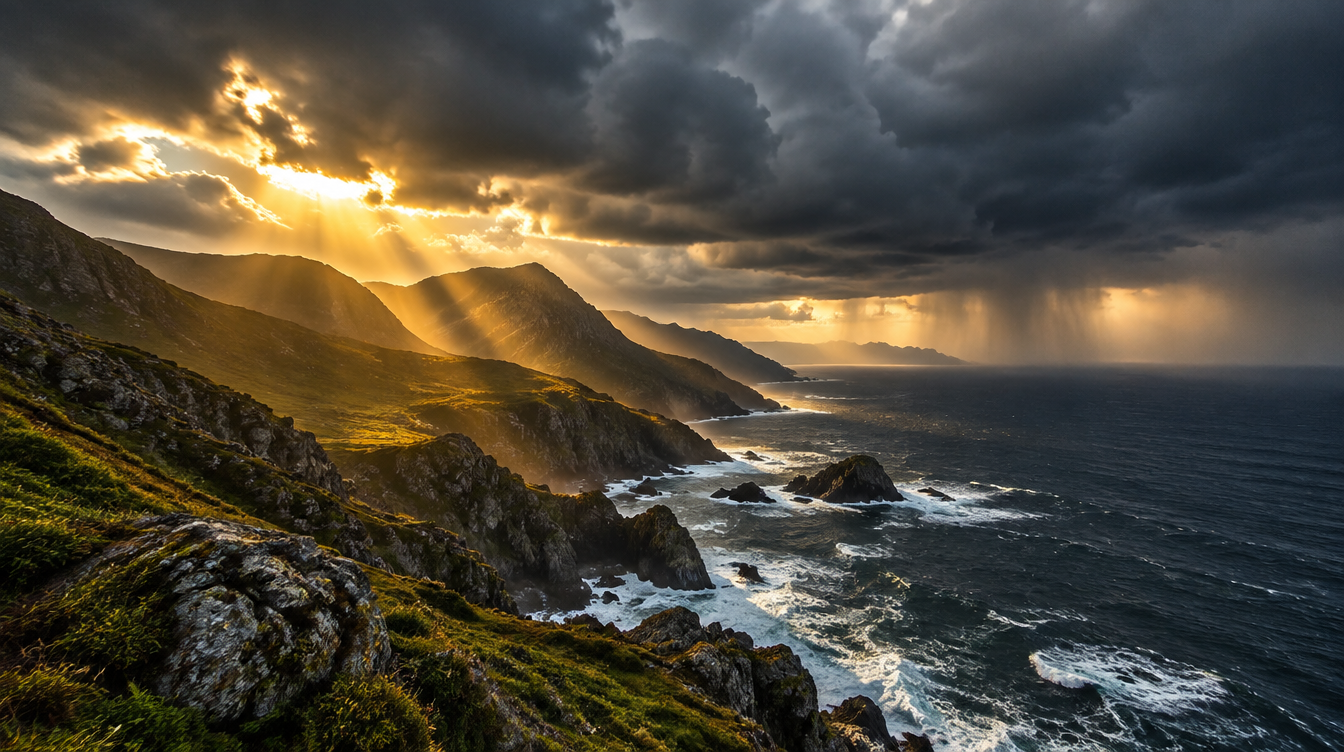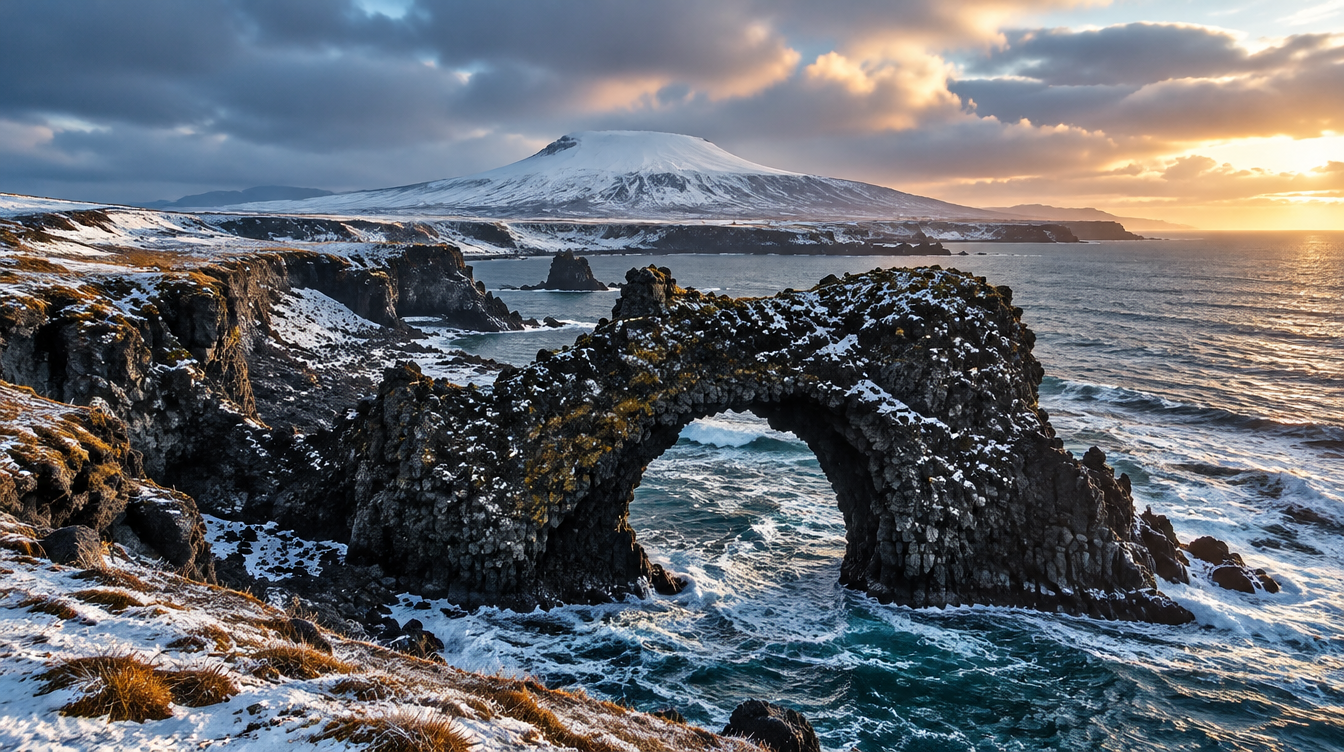
The Snæfellsnes Peninsula: Iceland in Miniature for Photographers
Why the Snæfellsnes Peninsula packs a glacier volcano, lava fields, basalt sea cliffs, and Kirkjufell into one drivable loop, and how to shoot all of it in a single winter day.
Photography tips, travel stories, and insights from expert photographers who have explored the world's most photogenic destinations.

Why the Snæfellsnes Peninsula packs a glacier volcano, lava fields, basalt sea cliffs, and Kirkjufell into one drivable loop, and how to shoot all of it in a single winter day.

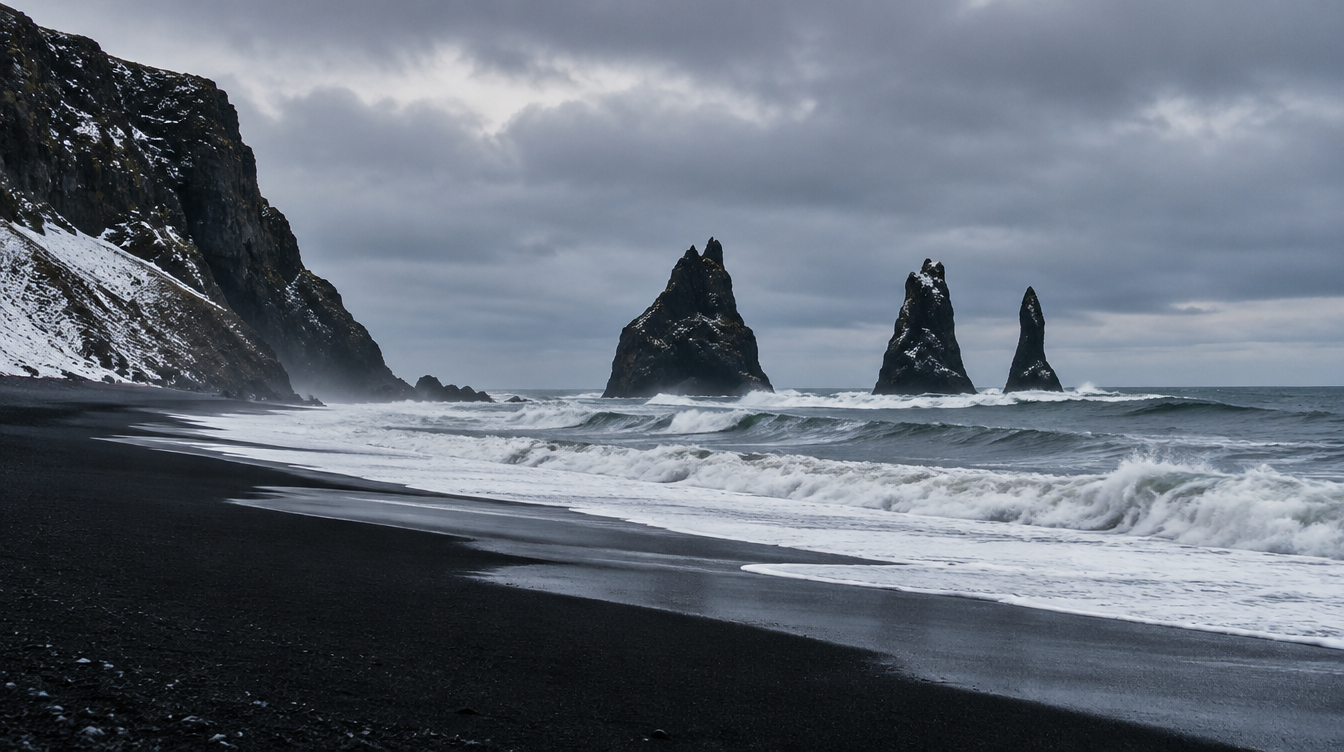
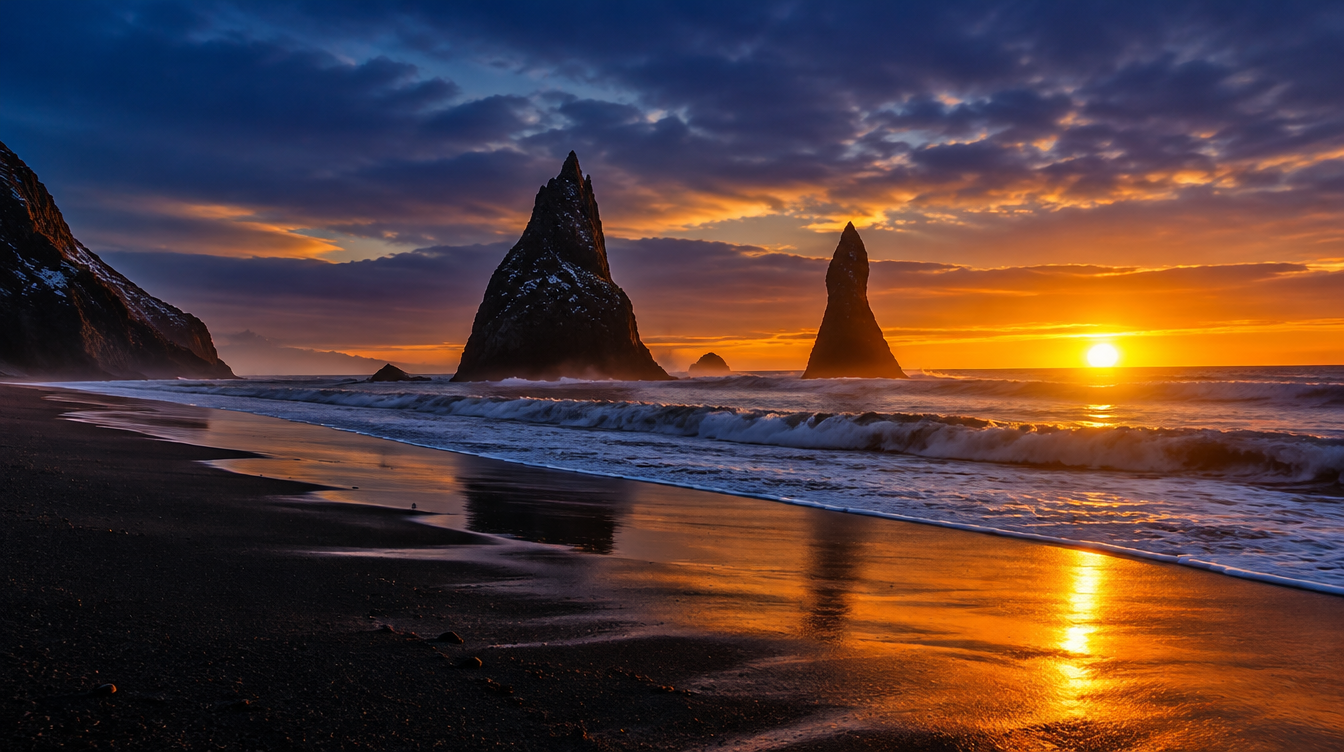
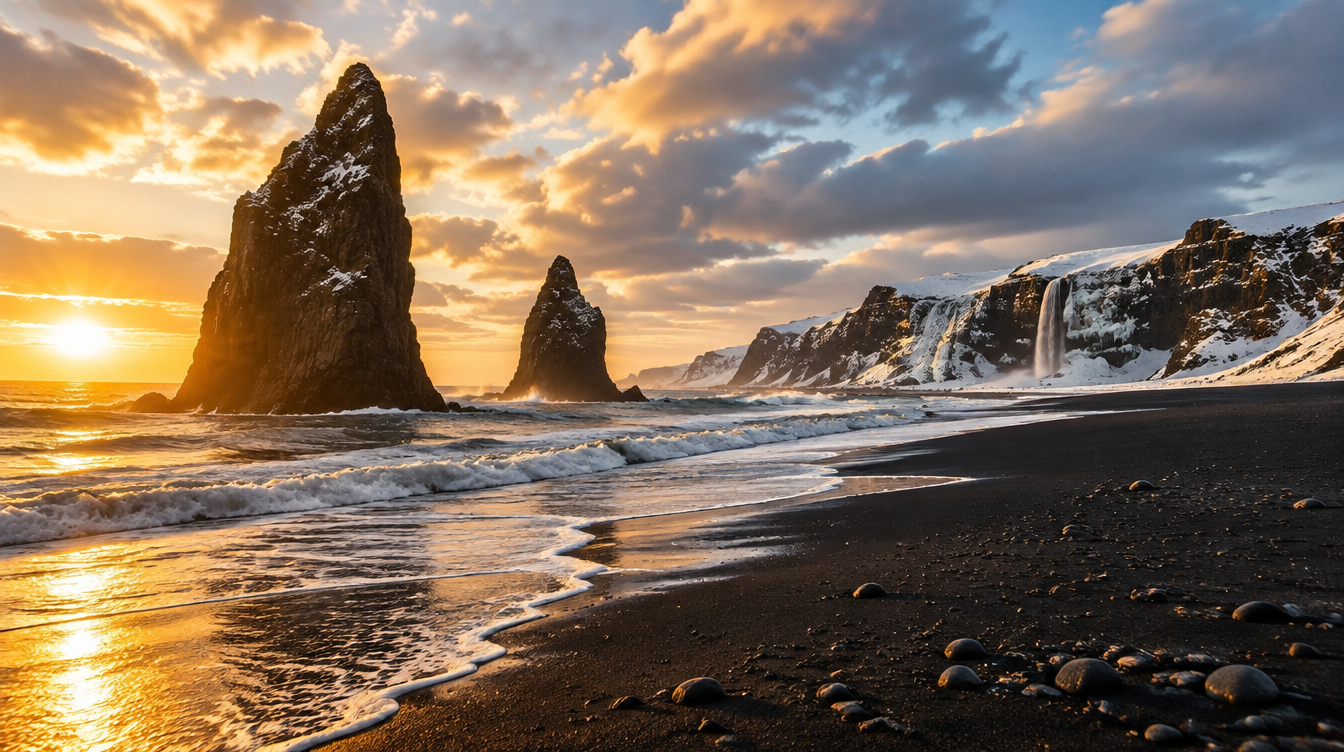
Reynisfjara's basalt columns and sea stacks make it one of Iceland's best compositions and one of its most dangerous beaches. Here is how to shoot it safely.

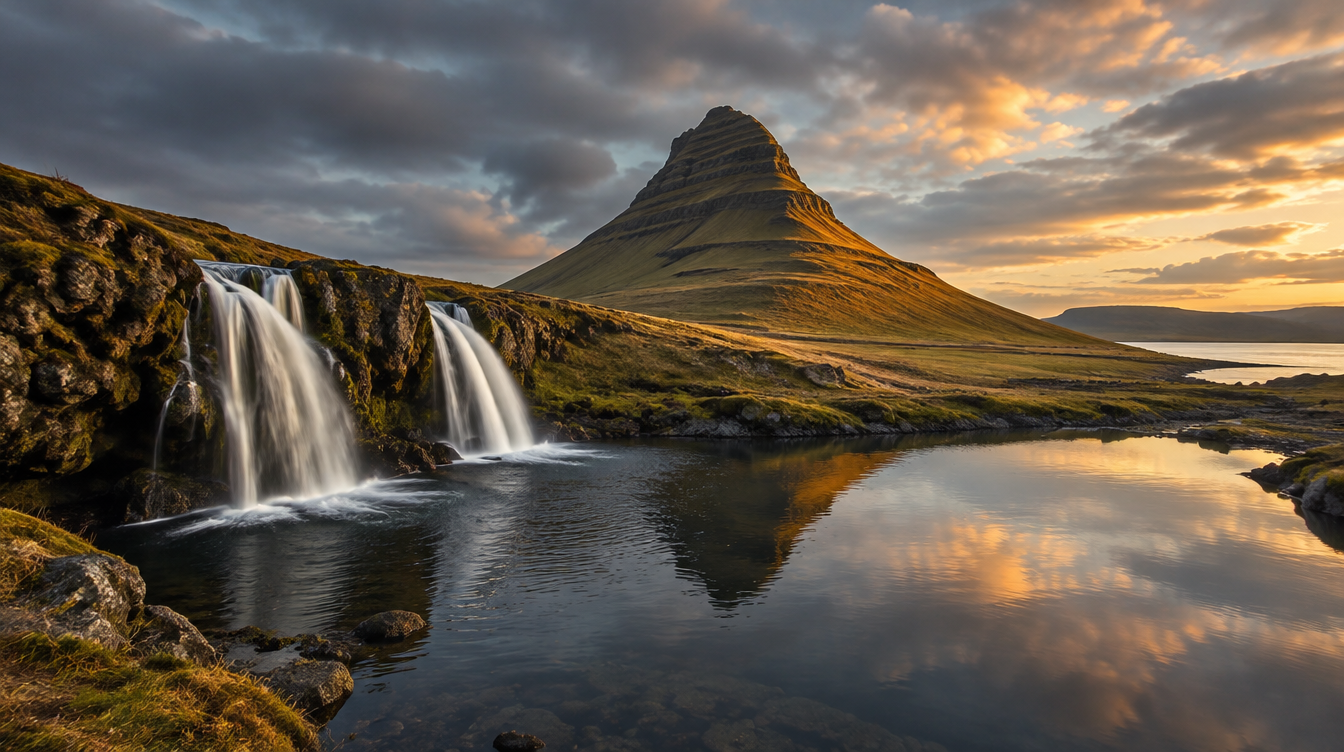
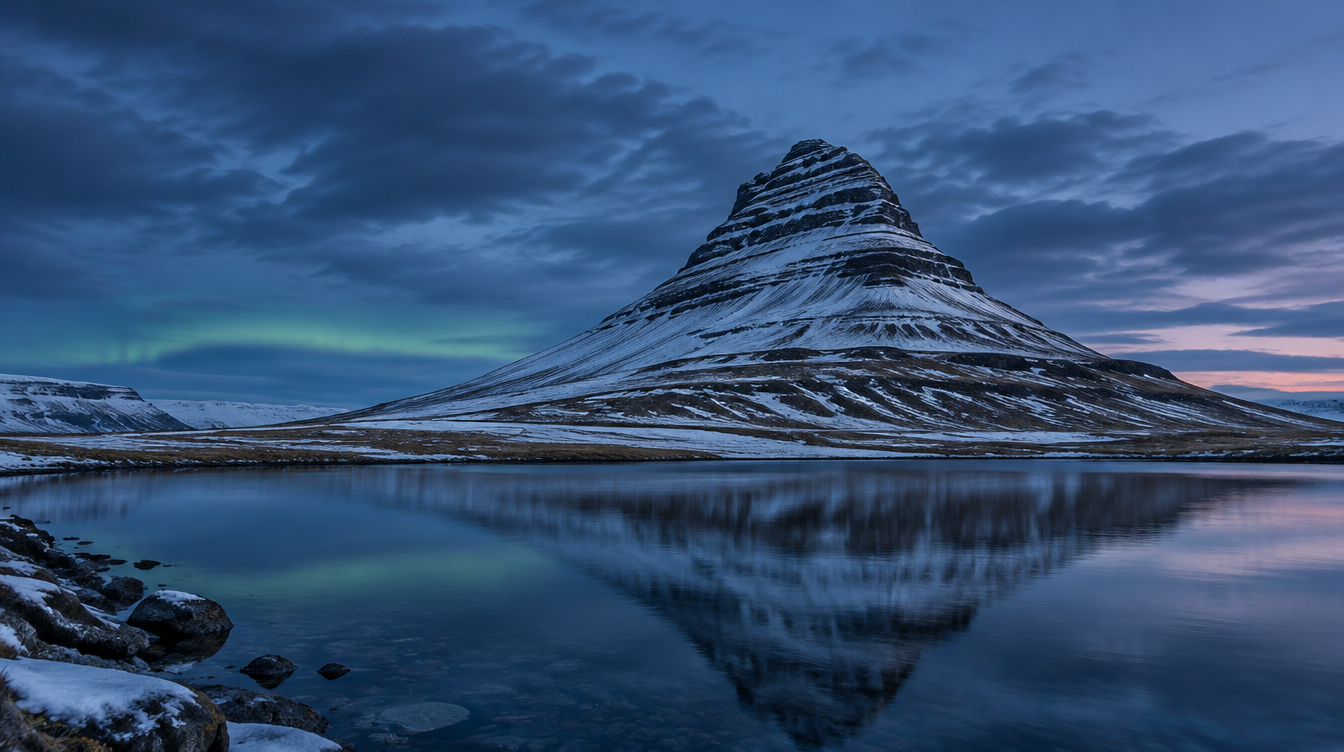
Everyone has the same waterfall-foreground shot of Kirkjufell. Here is that classic composition done properly, then the Grundarfjörður harbor and town angles almost nobody tries.

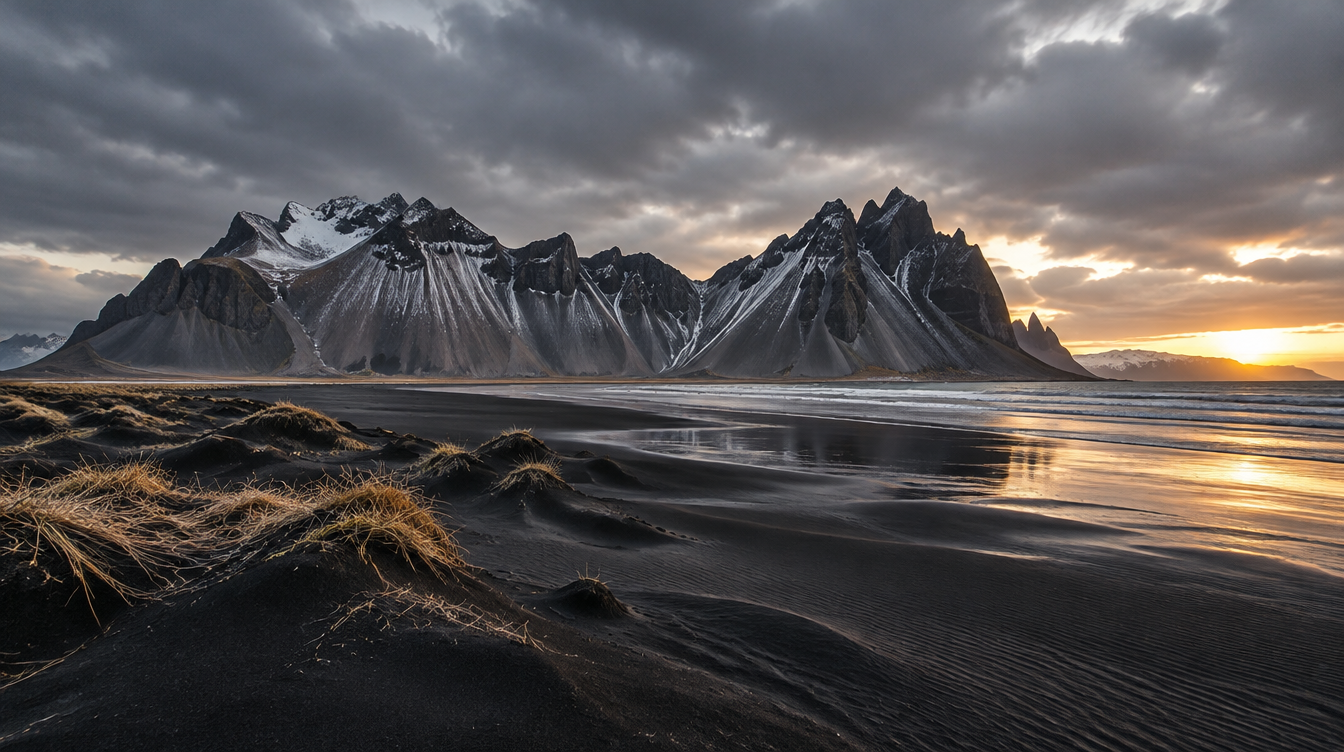
A location guide to Vestrahorn and Stokksnes: the access fee and gate hours, the tidal reflection shot everyone wants, and why this is Iceland's moodiest mountain.

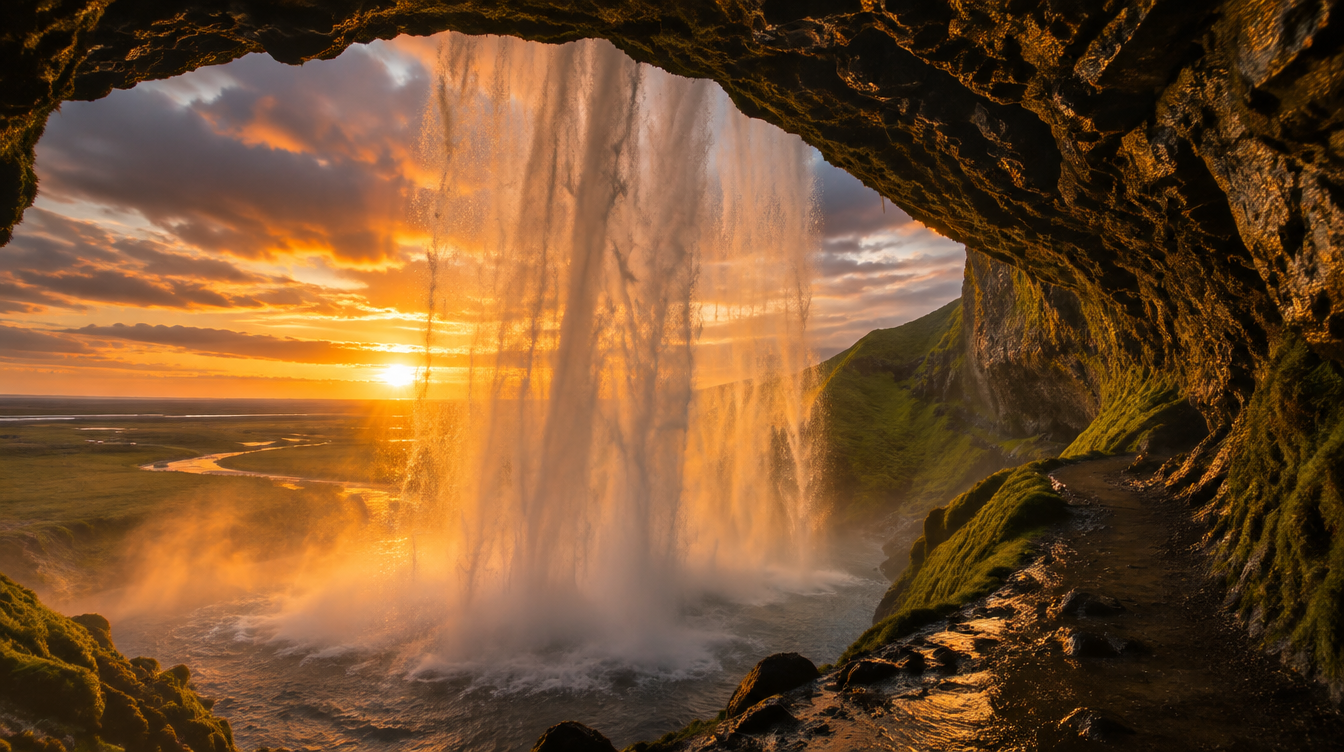
Seljalandsfoss and Skógafoss show up identically in every Iceland feed. Here is how to shoot both differently, plus the quieter Kvernufoss nearby.

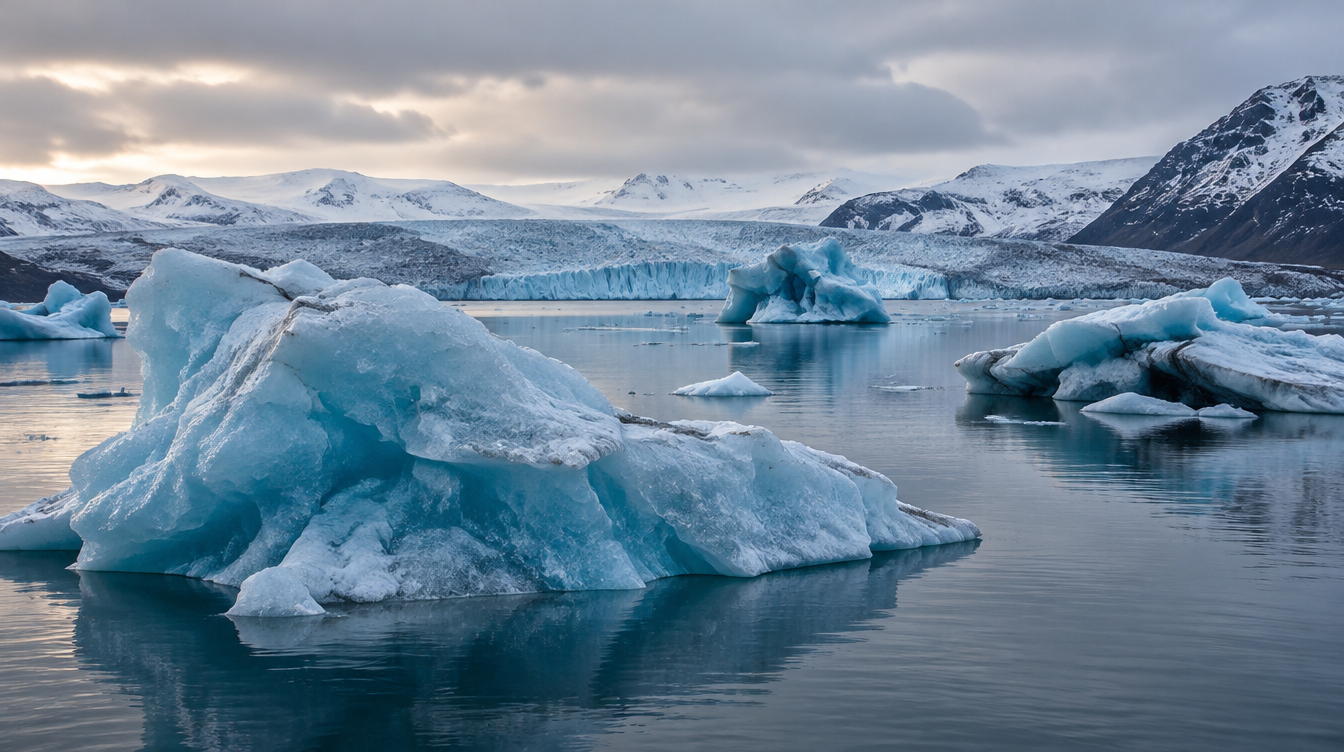
A location guide to Iceland's Jökulsárlón glacier lagoon and Diamond Beach across the road, covering ice floe composition, boat traffic, and why each side needs a completely different exposure approach.

Iceland's winter days can drop under five hours around the solstice. Here is exactly how short they get, why the light still works in your favor, and how to build a shot list around it.

A season by season breakdown of daylight hours, aurora visibility, ice cave access, waterfall power, and crowds, so you can match your Iceland trip to the exact photograph you want to bring home.

What makes Iceland's winter light different, the aurora and how to plan around it, the handful of locations every itinerary builds around, and the gear and driving realities unique to this season.

Why "shoot more" is incomplete advice, and how deliberate practice, honest critique, and studying the greats actually move the needle on your landscape photography.

The five step Lightroom workflow we teach in tour image reviews: culling, global adjustments, masking, color grading, and export sharpening, with before and after reasoning at every step.

Why your meter turns snow grey and how to fix it, how to handle blue winter light, and how to keep batteries and gear working in the cold.

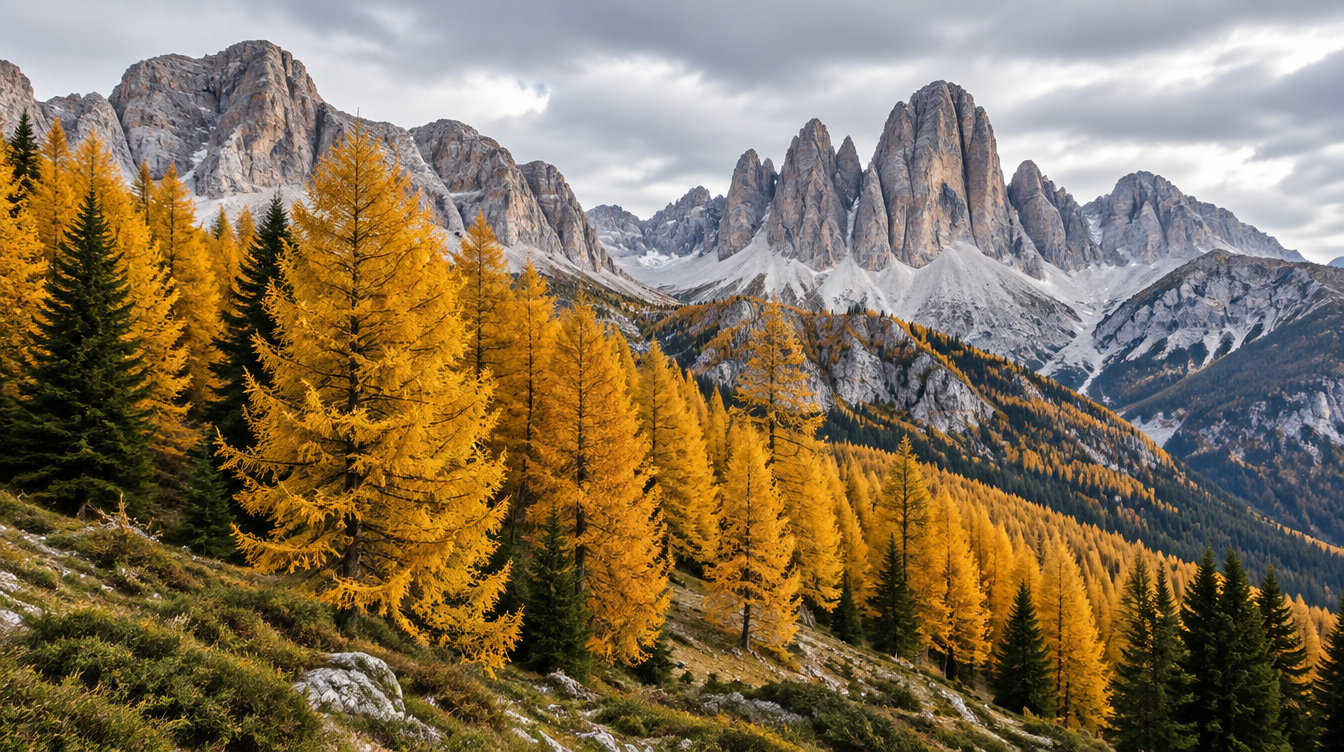
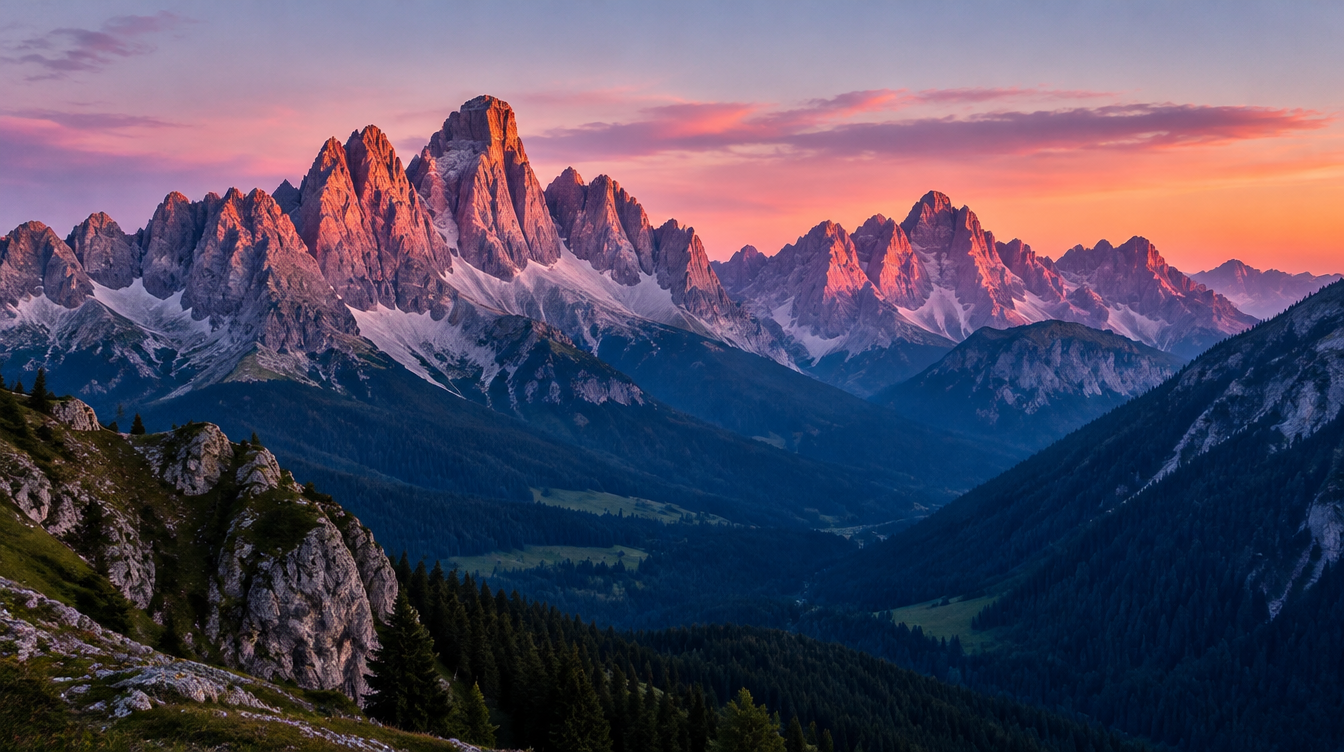
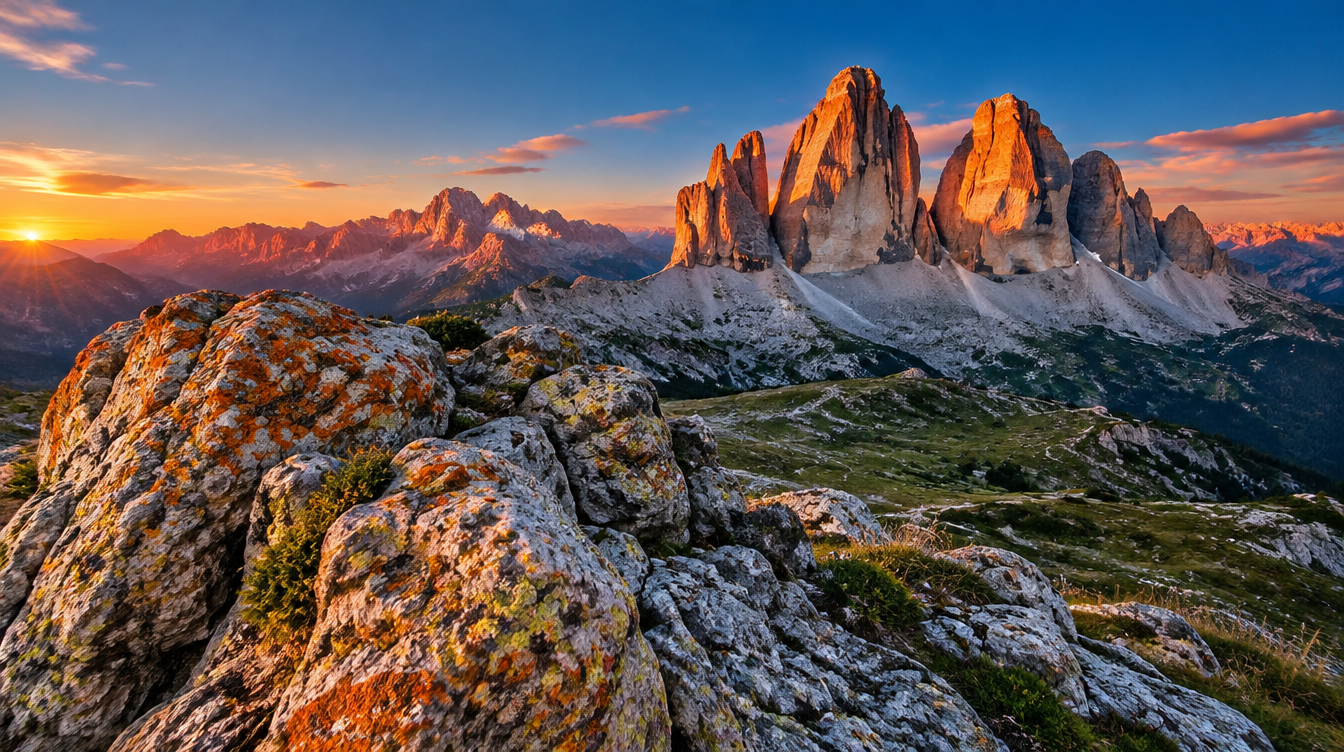
Why mountain fall color is a moving, elevation-driven event rather than a fixed date, how to time larch season in the Dolomites, and the polarizer and white balance choices that keep color honest.

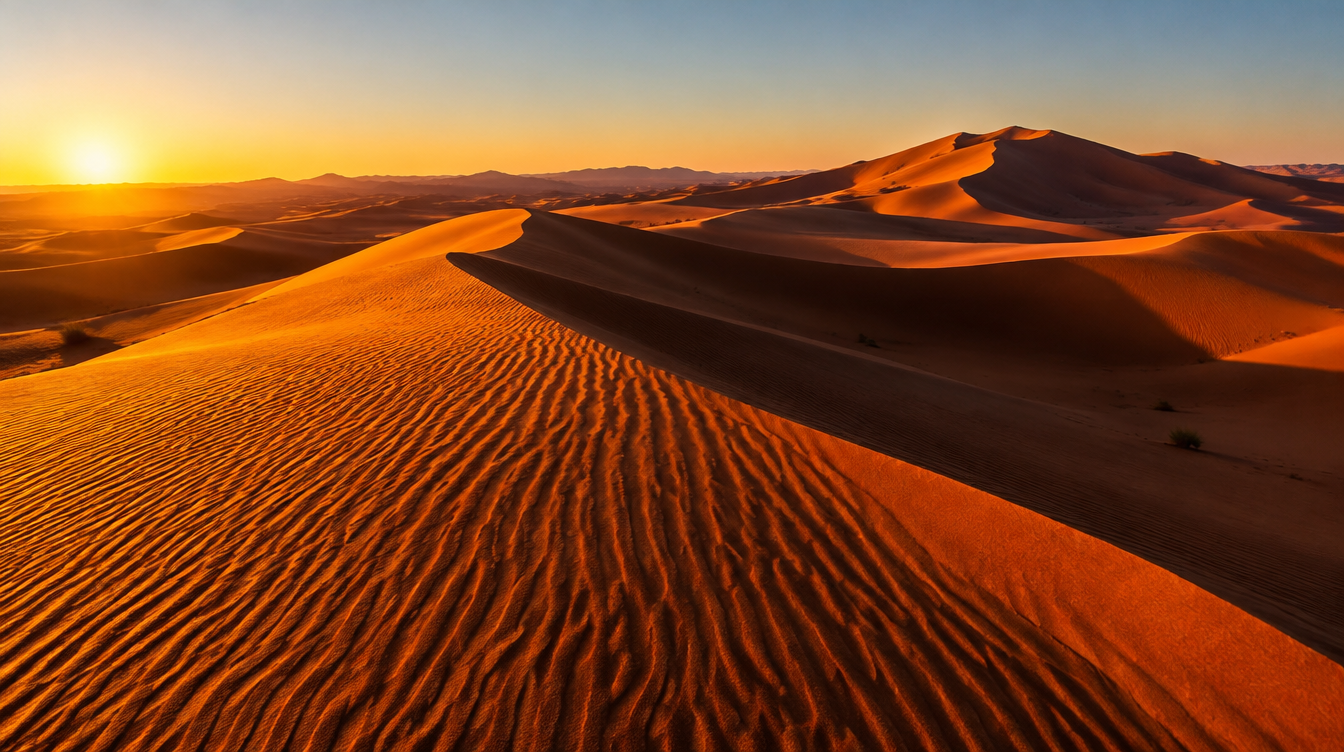
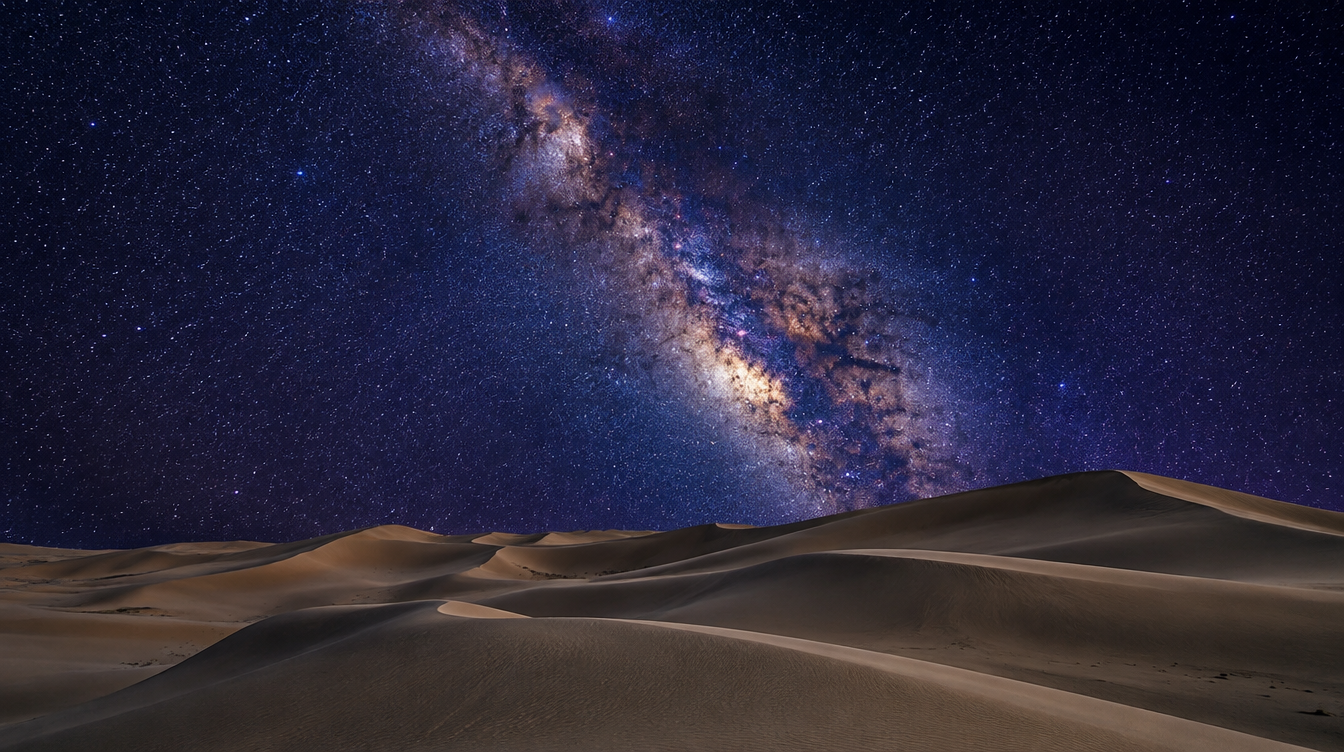
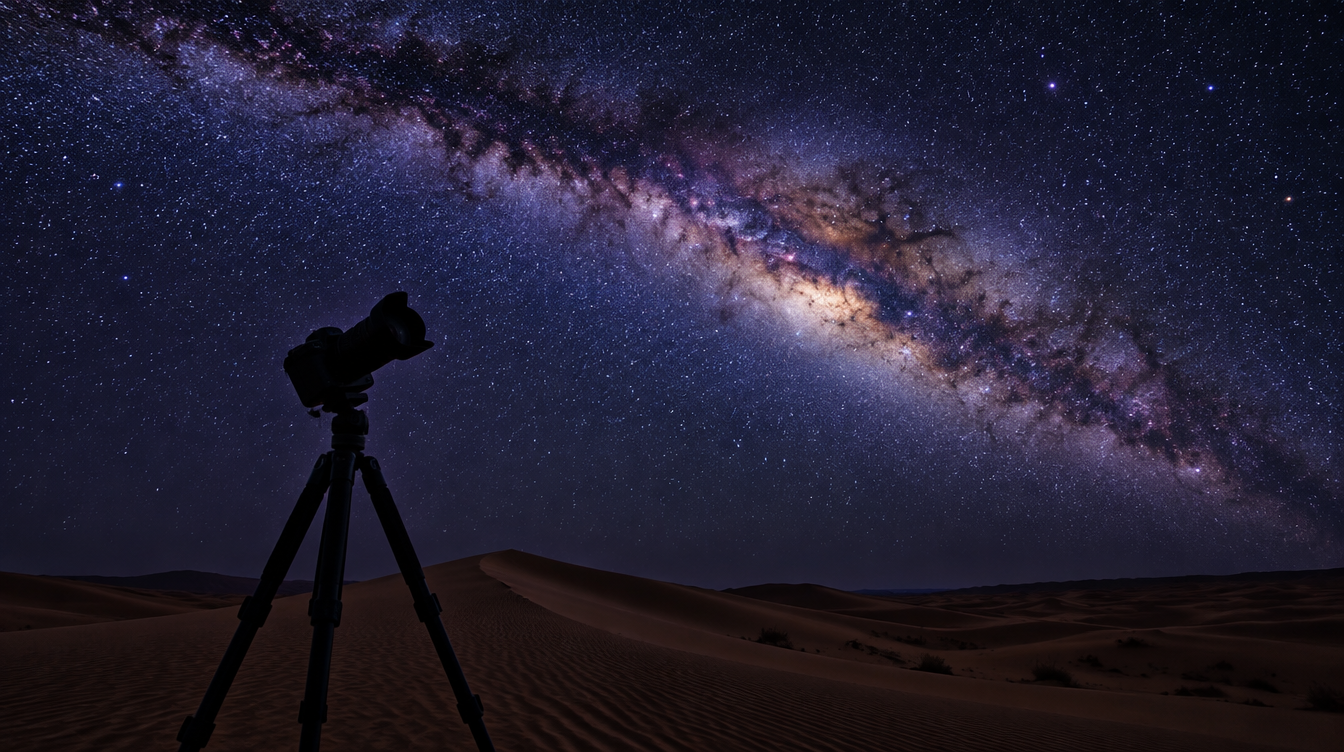
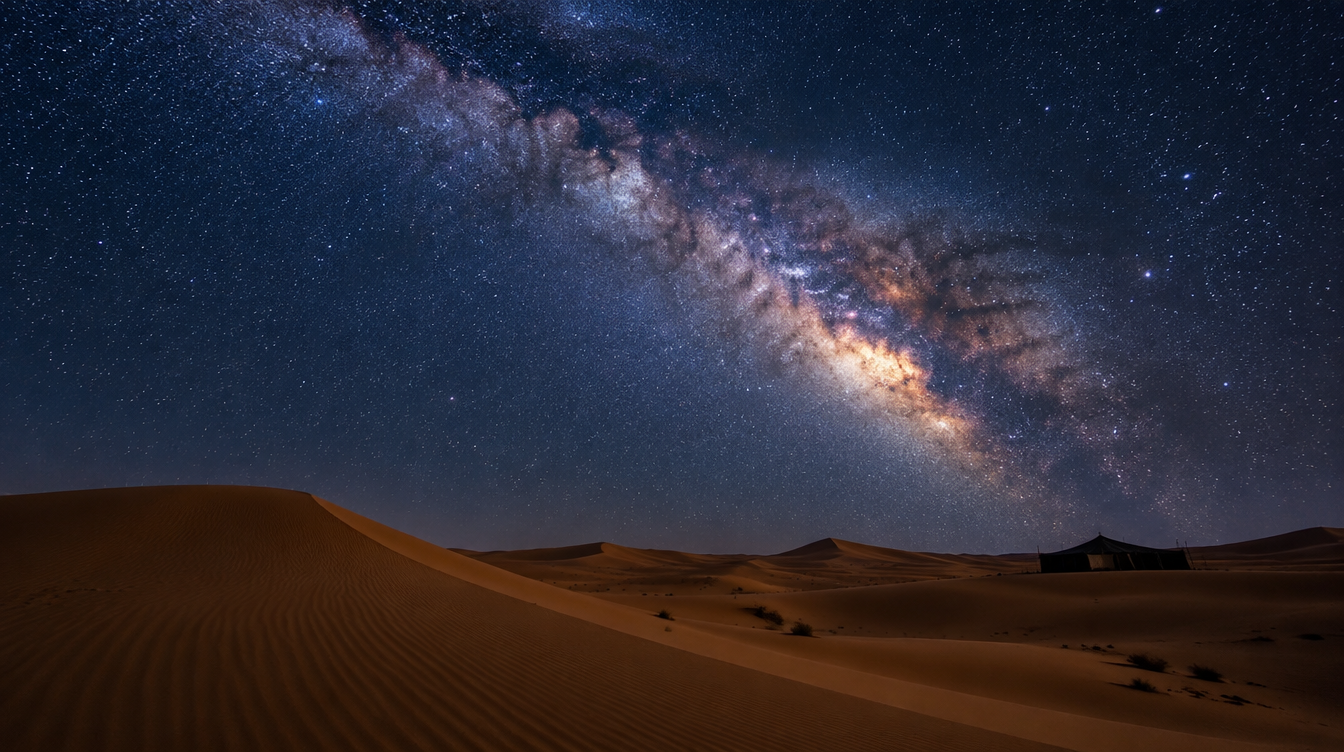
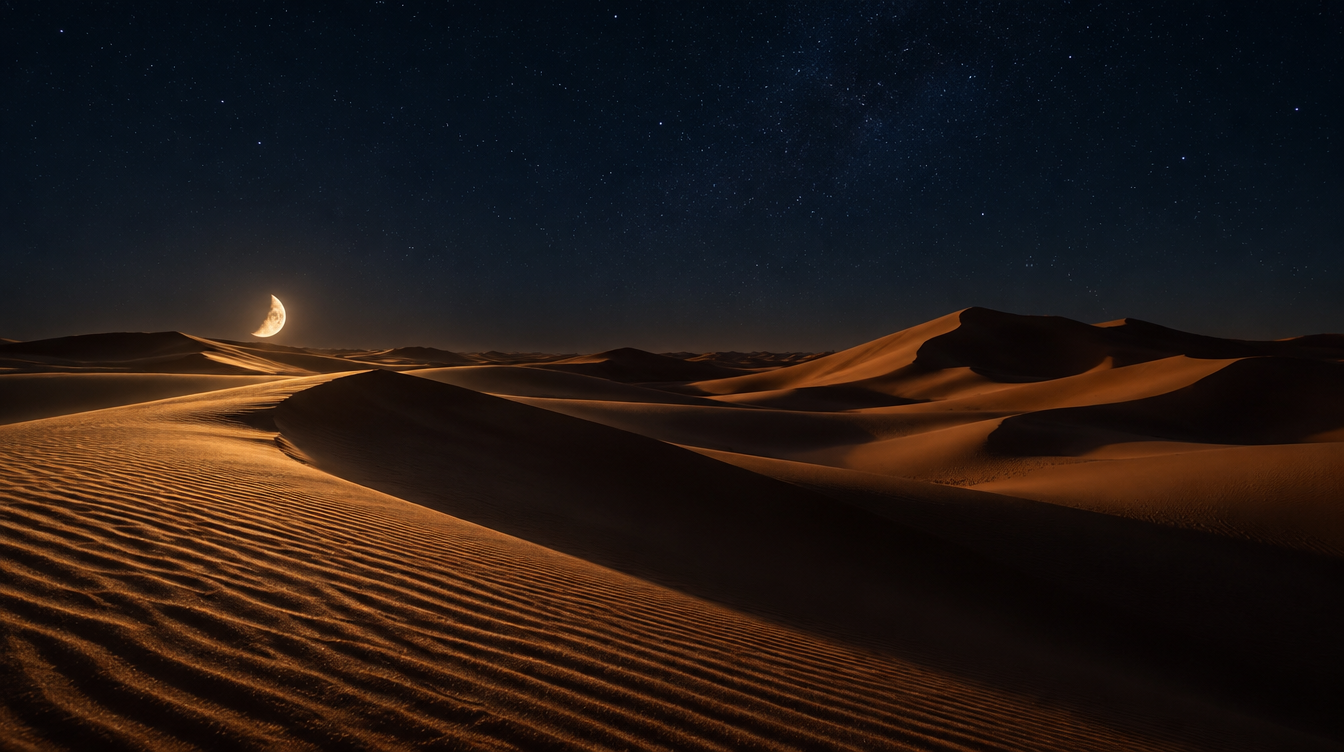
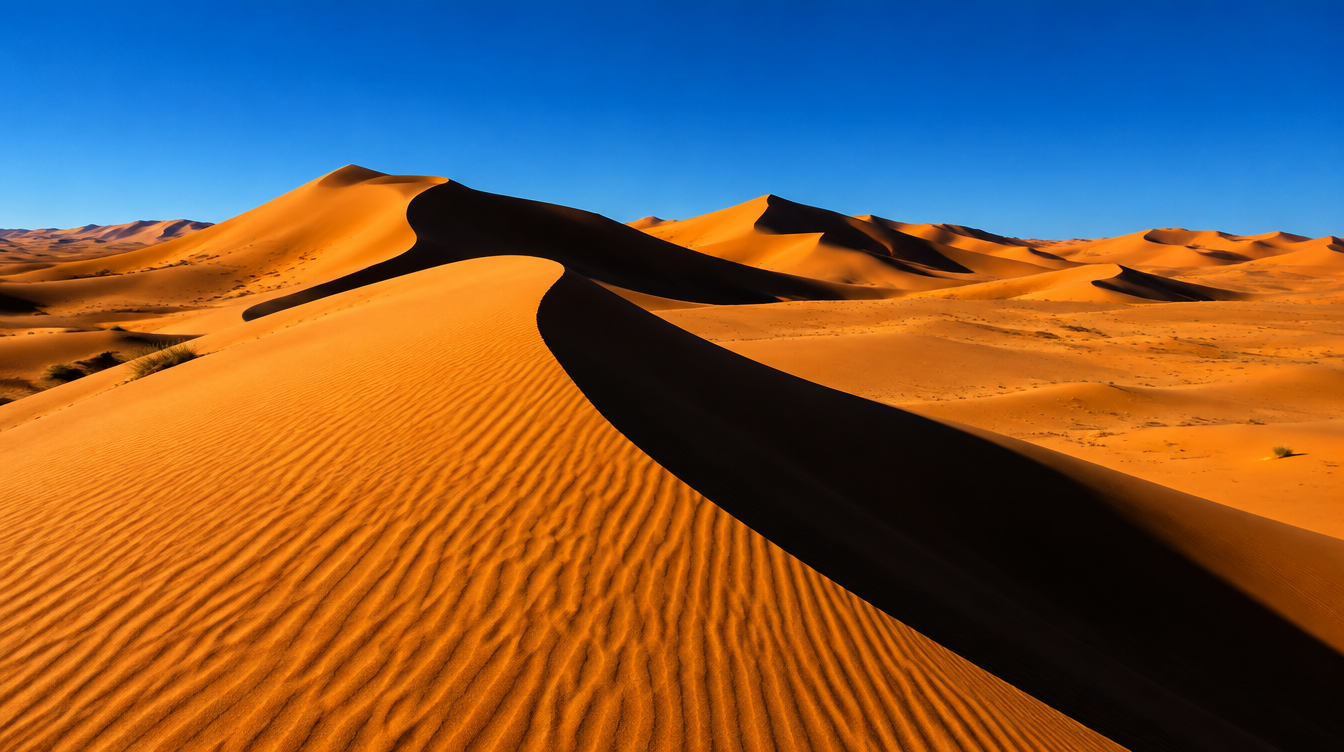
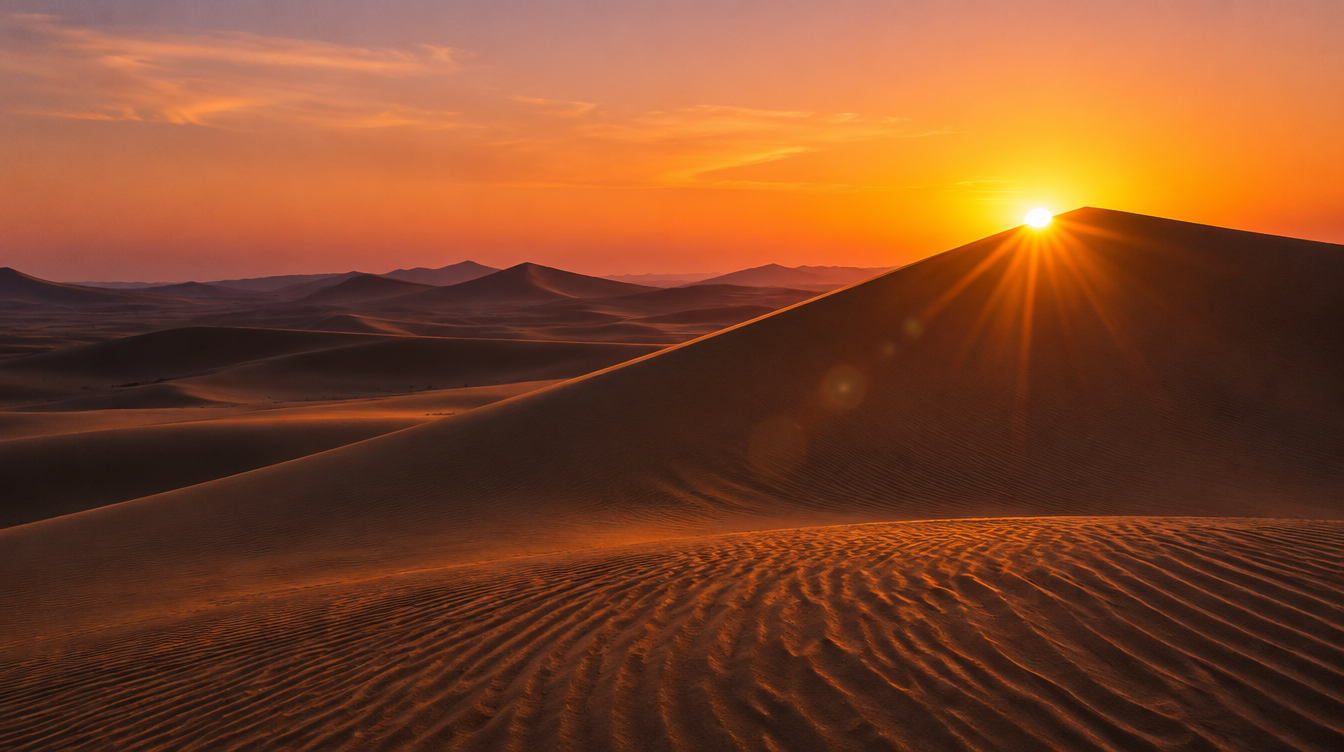
How to photograph desert dunes well: timing the side light that reveals ripple texture, protecting gear from sand and heat, working with heat shimmer, and why deserts are among the best places on earth for night sky photography.

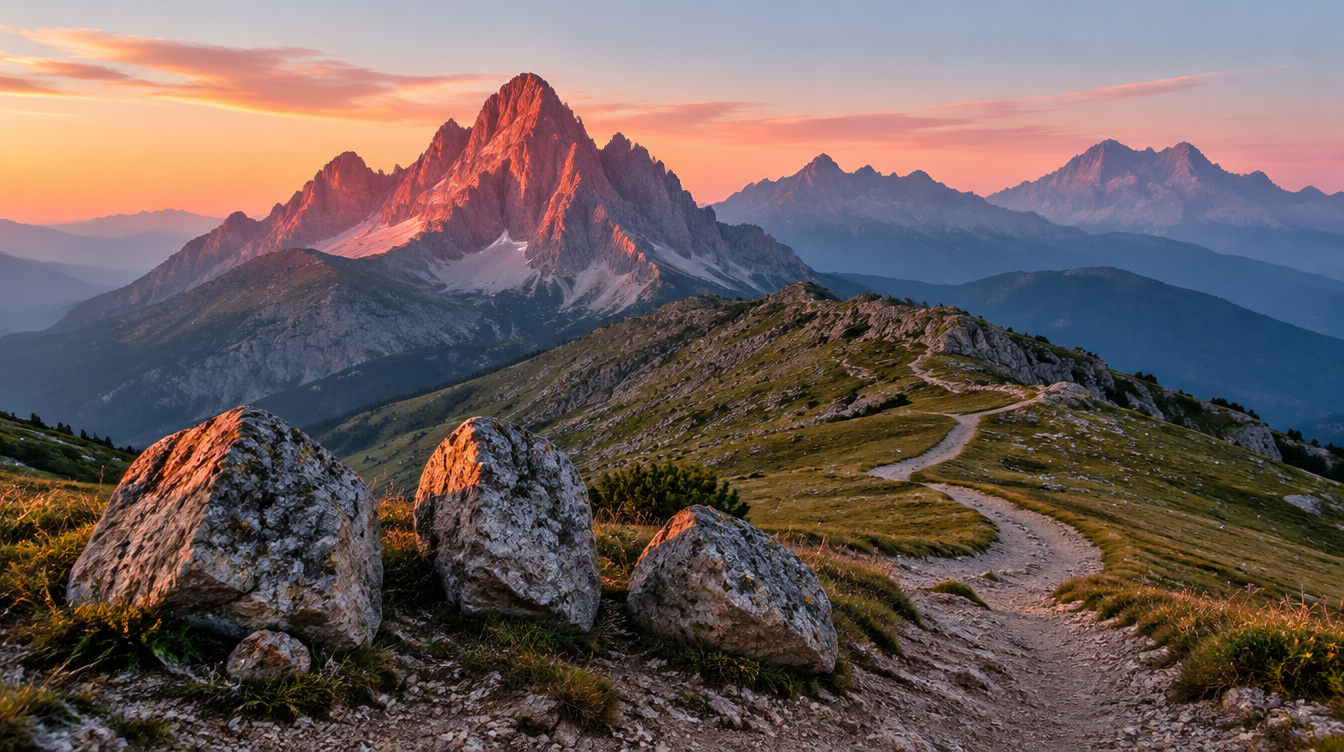
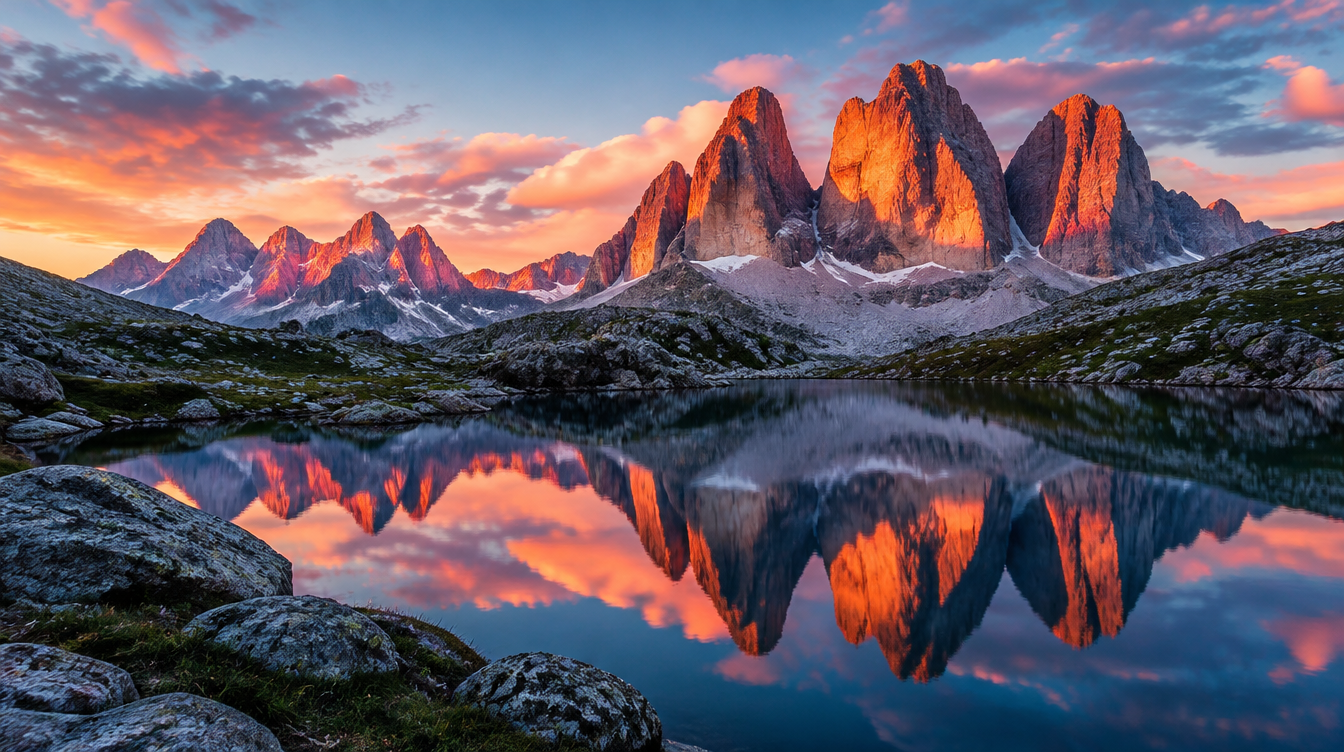
Alpenglow timing, hut-to-hut sunrise logistics, the science behind the Dolomites' famous sea of clouds mornings, and how to stay safe at altitude while you shoot.

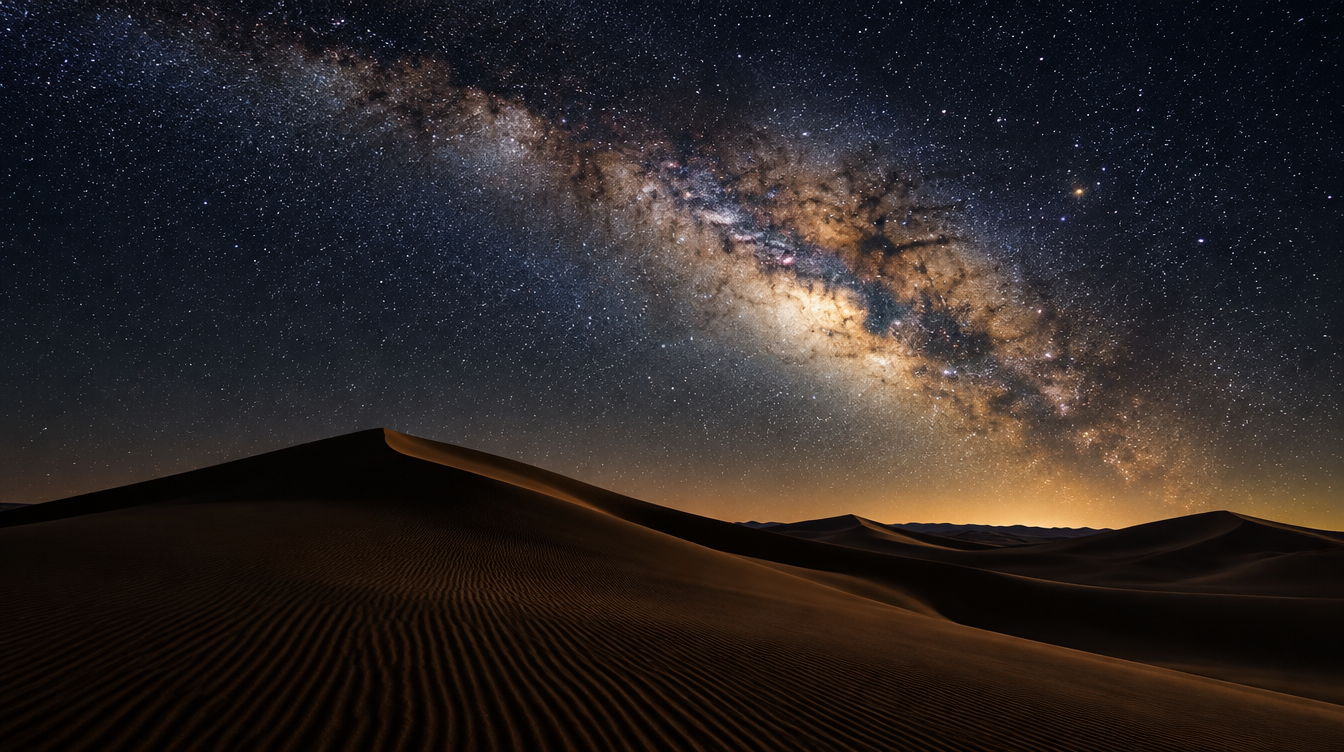
What the Bortle scale actually measures, how to read a real light pollution map, why deserts and remote islands stay dark, and where the certified Dark Sky Places are if you want to plan a trip around one.
A step by step Lightroom and Photoshop workflow for Milky Way photos: night white balance, AI versus manual noise reduction, stacking for noise, blending sky and foreground, and how to avoid an over-processed core.

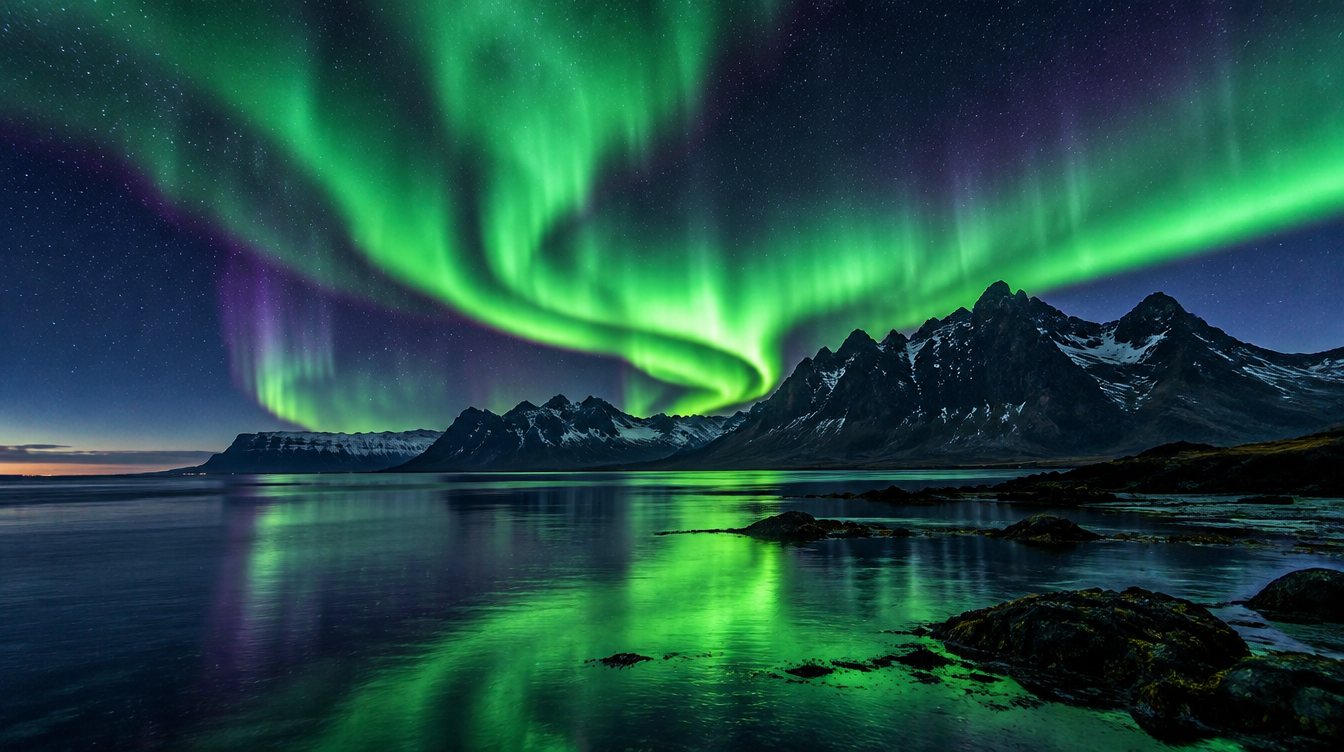
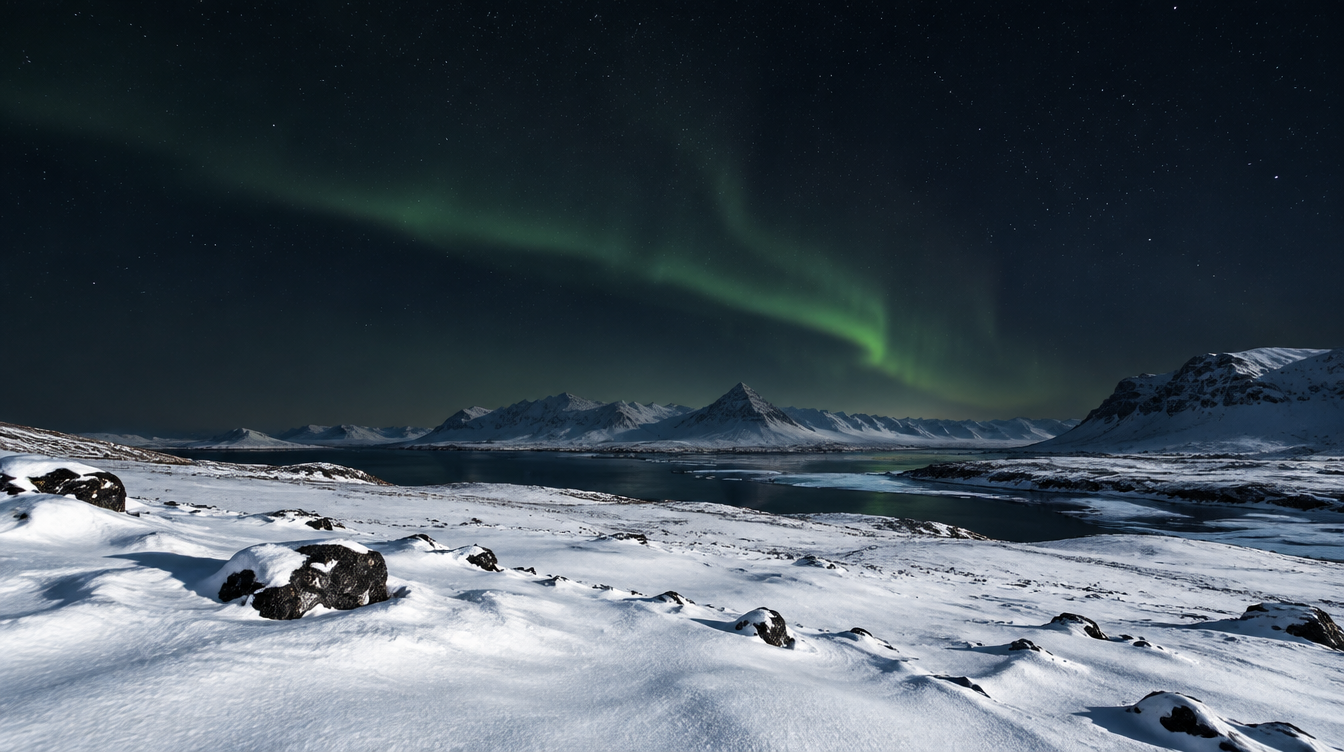
How to read the Kp index and solar wind data honestly, set your camera for fast or slow aurora, protect your gear from the cold, and compose with real Icelandic and Lofoten foregrounds.
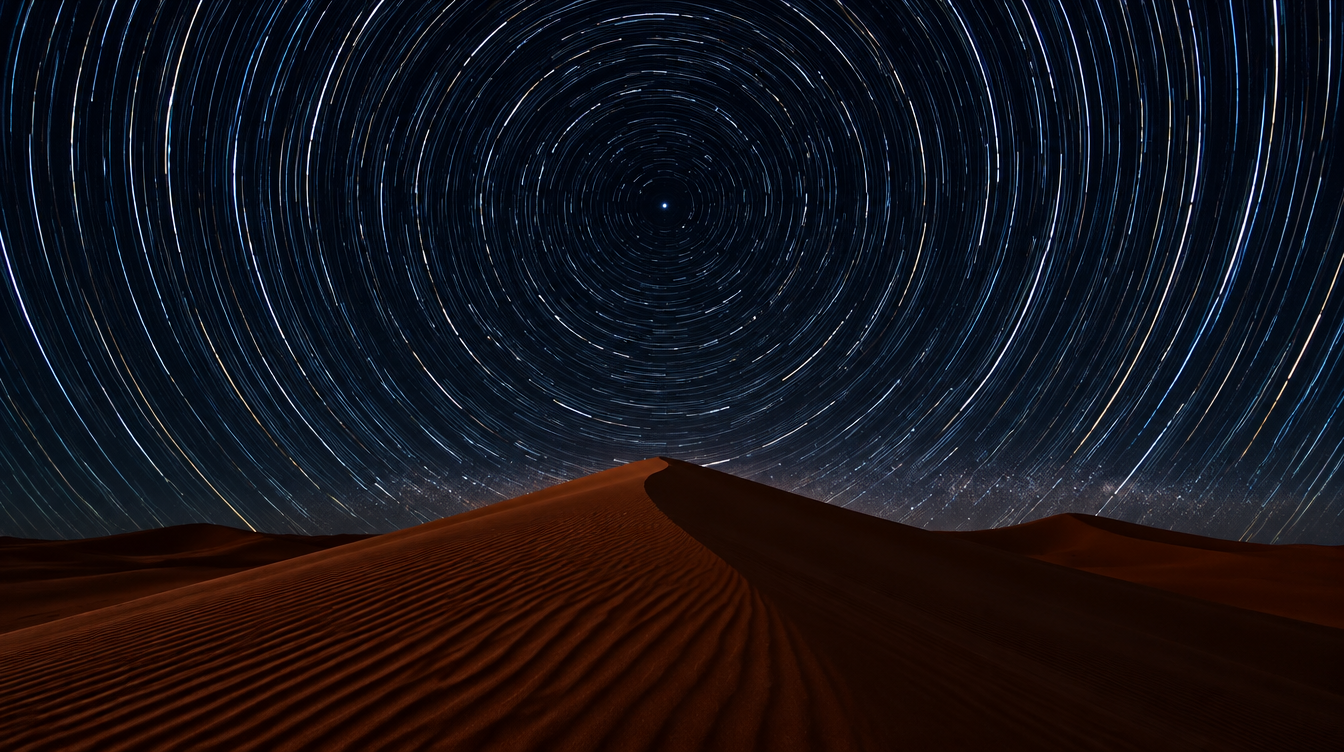
A practical guide to photographing star trails: finding your celestial pole, choosing between one long exposure and a stacked sequence, and the intervalometer, dew, and battery details that make or break a night under the stars.
When a star tracker is worth carrying, how to polar align it in both hemispheres, and how to blend a tracked sky with a sharp, untracked foreground.

Why the 500 rule leaves stars trailing on modern high resolution cameras, how the NPF rule fixes it with real camera examples, and a quick reference table for common setups.

Aperture, focal length, coma, and vignetting explained in plain terms, with a lens table by budget so you know exactly what to expect from your glass under a truly dark sky.

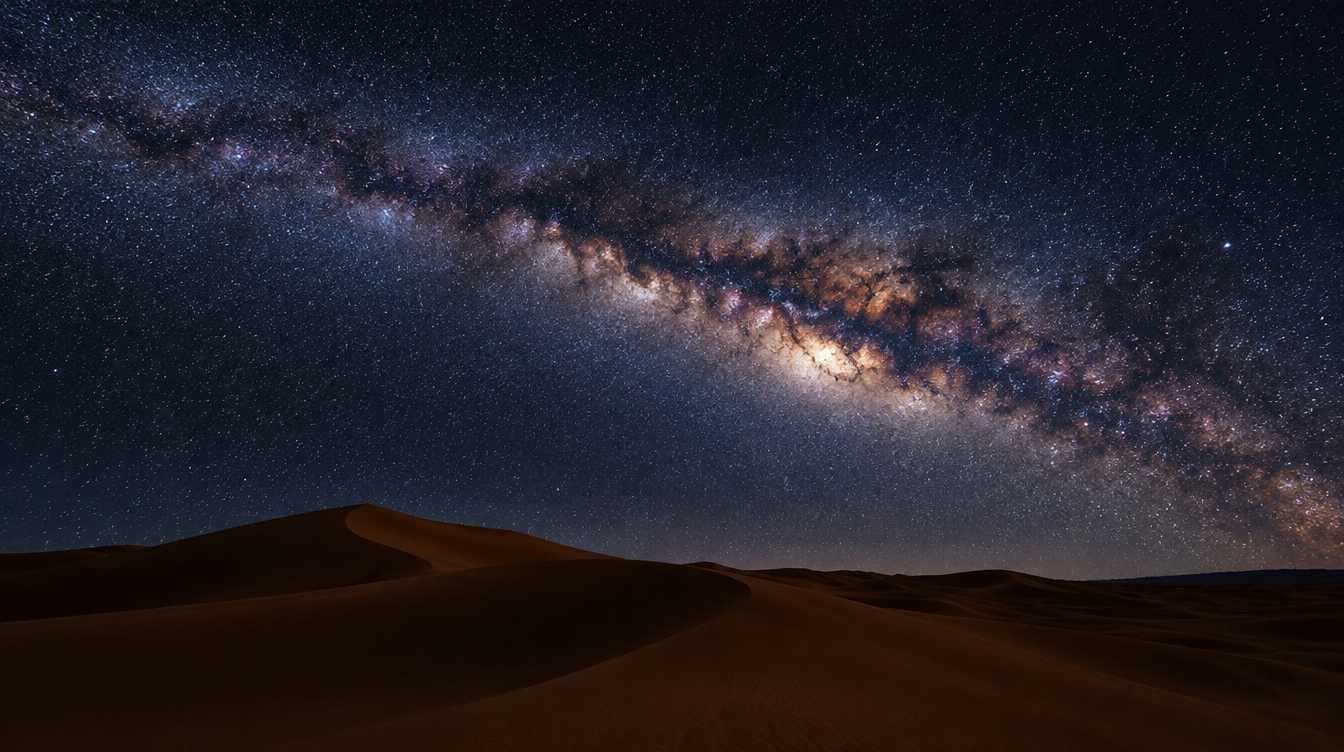
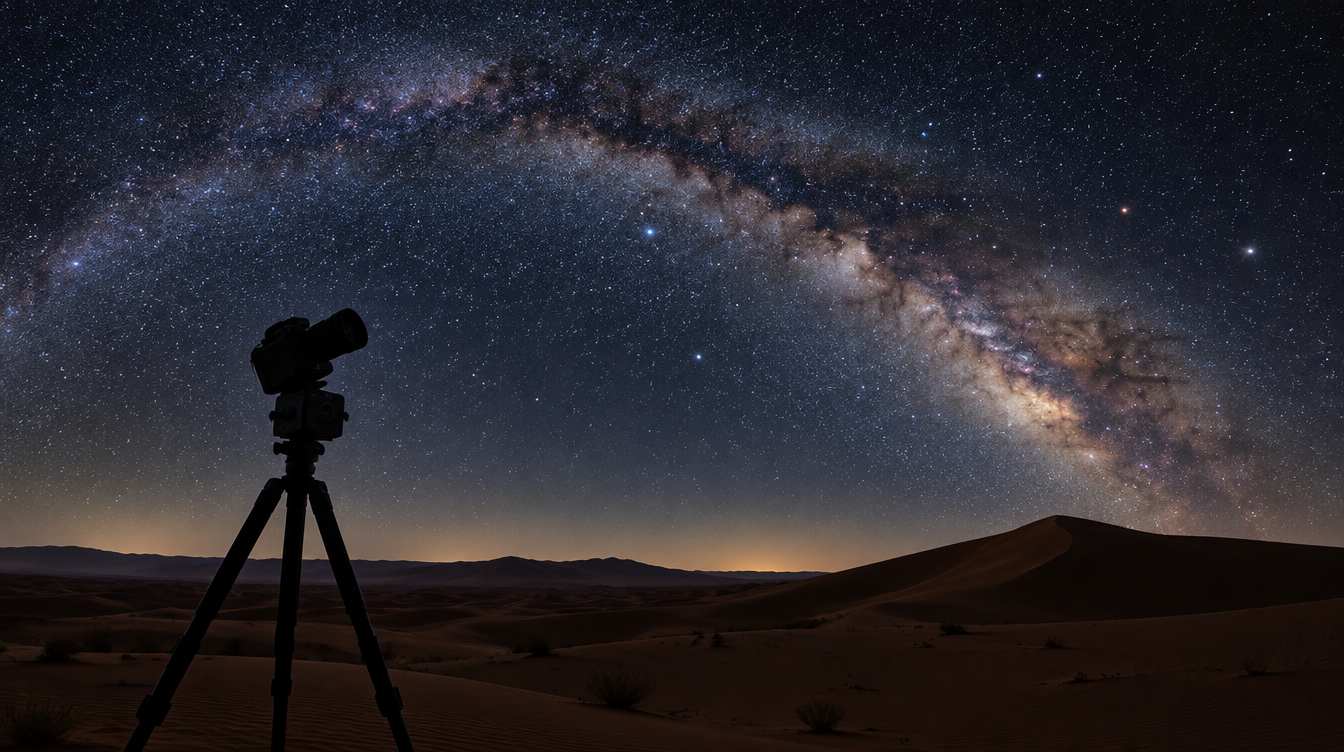
A complete field guide to photographing the Milky Way: when and where to go, how to focus on stars, and the settings that actually work.

Why a quarter moon often beats a full one, how bright moonlight actually is compared to sunlight, and the exposure settings and planning workflow that turn a moonlit landscape from a guess into a plan.

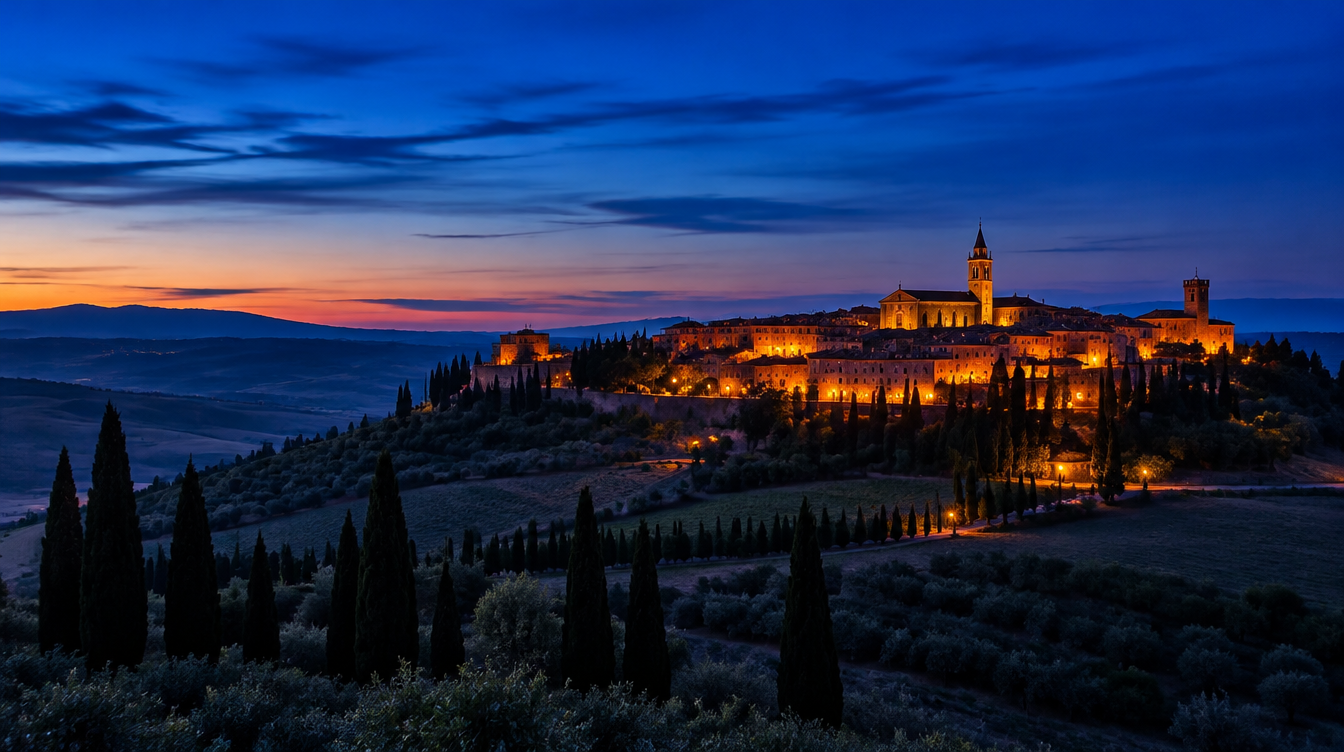
What civil and nautical twilight actually are, how long blue hour lasts depending on your latitude, and the settings, white balance, and village subjects that make the most of it.

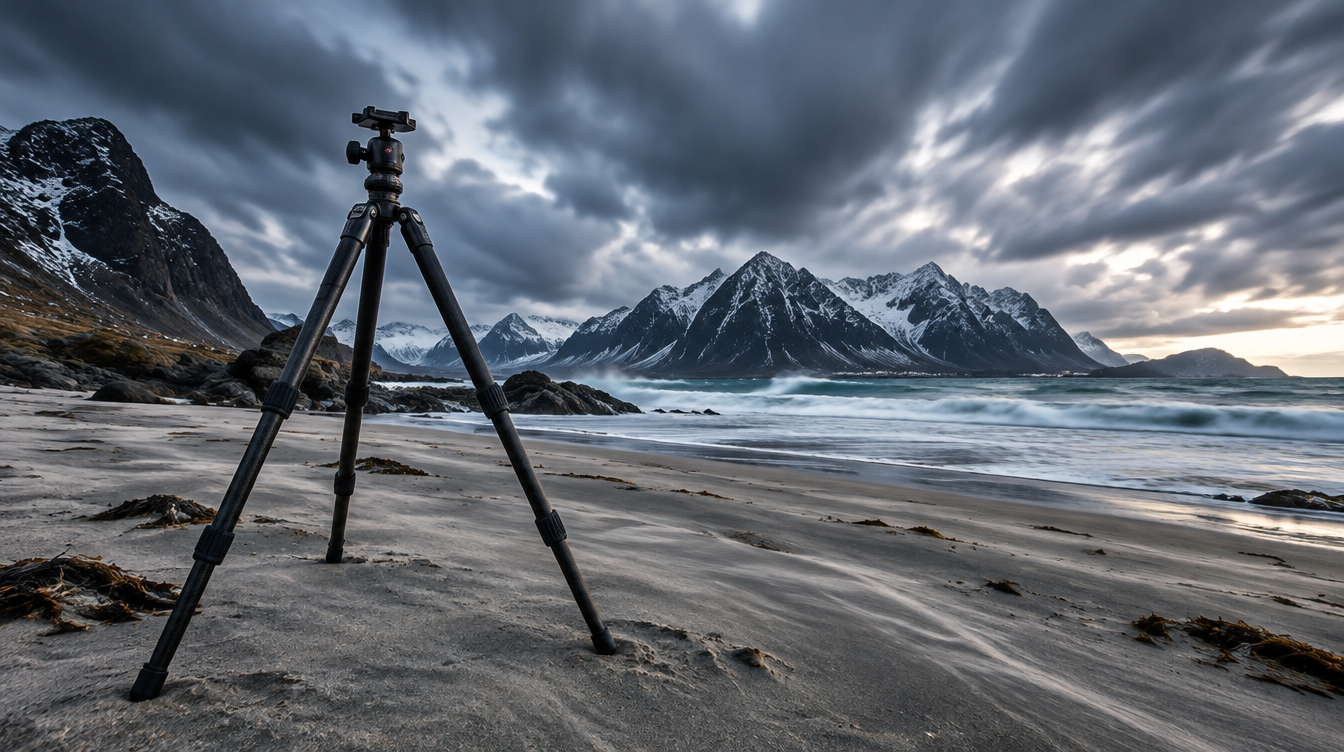
Load rating, height without the center column, carbon fiber versus aluminum, and the leg locks and heads that actually hold up on windy beaches and alpine ridges.

A brand-neutral guide to choosing a wide-angle lens for landscape work: real focal length and weight numbers, prime vs zoom trade-offs, filter threads vs bulbous front elements, and what actually matters for night-sky shooting.

How to shoot a clean landscape panorama in the field, from leveling the tripod and understanding parallax to overlap, locked settings, and stitching in Lightroom.

How many frames to shoot, what EV spacing to use, and the Lightroom HDR Merge plus luminosity mask workflow that blends a bracket without halos or grey skies.

When hyperfocal focusing gets a landscape sharp in one frame, exactly where it breaks down on close foregrounds and high resolution sensors, and a full field and software workflow for focus stacking when it does.

A settings reference for real landscape conditions, from golden hour on a tripod to handheld shots in wind and moving water, covering aperture, diffraction, base ISO, RAW, and how to actually read a histogram.
How longer focal lengths isolate patterns, stack mountain ridges, and pull distant light into the frame, with the real explanation of what lens compression actually is.

Why the rule of thirds alone leaves landscape photos flat, and how foreground, layering, and leading lines actually build depth, with a worked example from the Dolomites.

The planning workflow behind every WeShoot itinerary: sun and moon position, weather and cloud models, tide tables where relevant, satellite map scouting, and a same day go/no-go checklist.

Why the best light often arrives right before or after a storm, how NOAA says to handle lightning risk, and the camera settings and gear habits that actually keep a shoot going in the rain.

Harsh midday sun is not dead light. A practical playbook for polarizers, shade, black and white, heat haze, and using the middle of the day to scout instead of shoot.
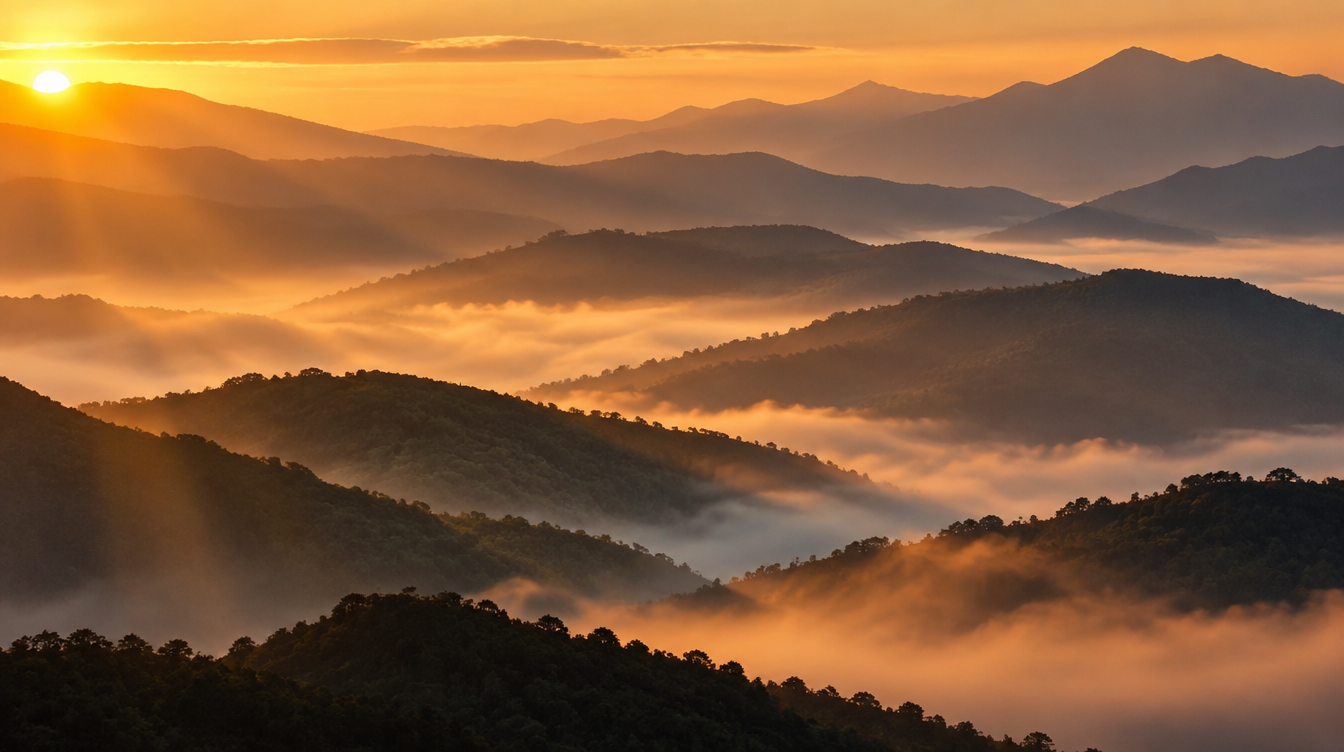
How to point your lens straight at a low sun and come away with a clean sunstar, controlled flare, and a deliberate silhouette instead of a blown out mess.

A minute by minute walkthrough of a real sunrise shoot, from checking the cloud forecast the night before to the exact settings and the bracketing decision as the light changes.

A complete overview of landscape photography, from reading daylight and night light to the gear that matters and the practice mindset that speeds up everything else.

Straight answers to the questions people ask most before booking a photography tour: cost, fitness, gear, solo travel, non-photographer partners, and when to book.

Wondering what you're actually signing up for on a photography tour? Here is the real, hour-by-hour structure of a representative day, from the pre-dawn wake-up call through two shooting blocks, a long midday break, and the evening image review.

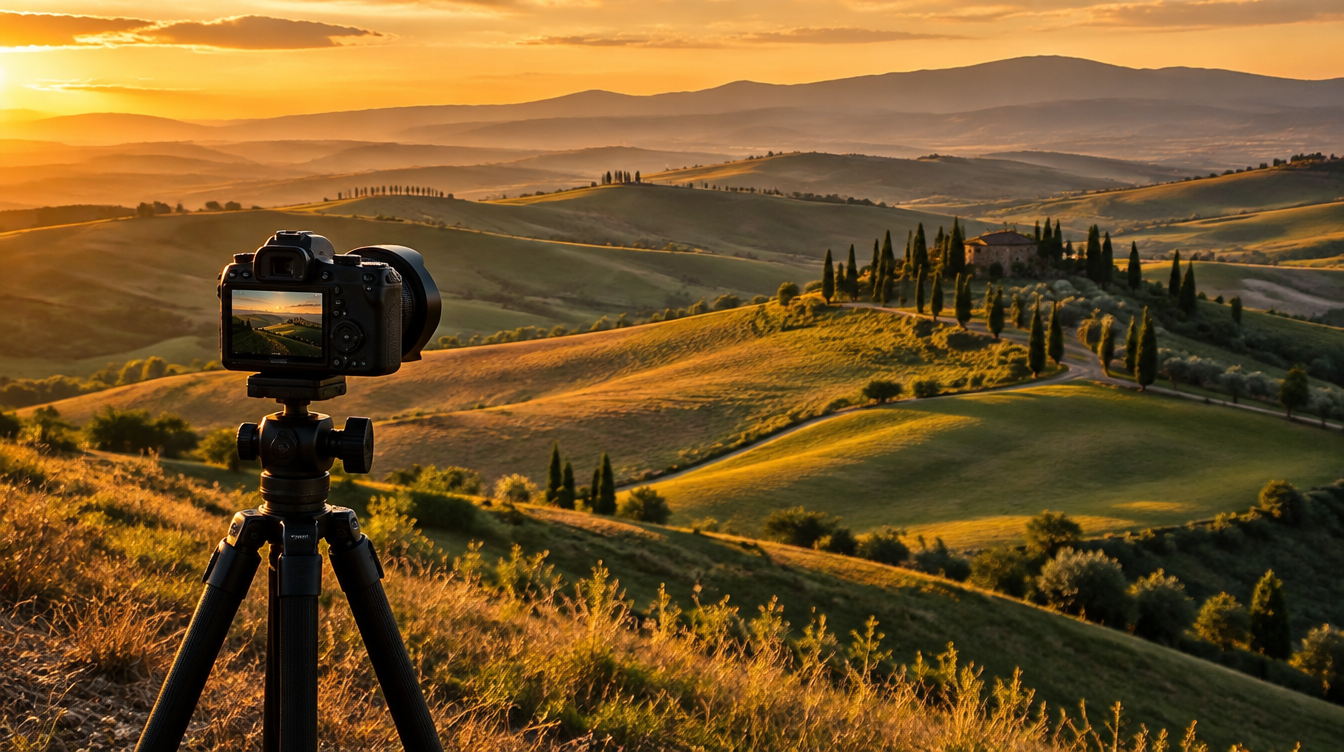
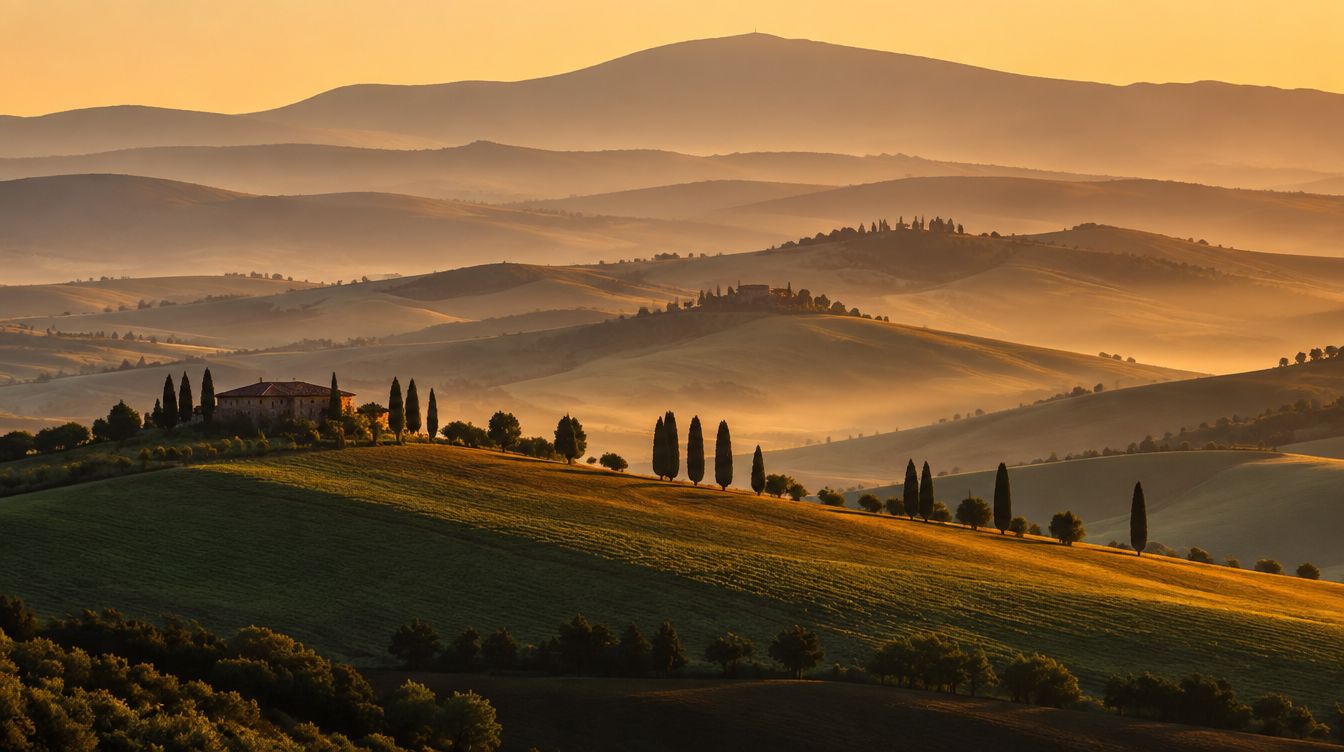
Rome, Florence, or Pisa: a real comparison of the three gateway airports for a Val d'Orcia photography tour, including flight options, drive times, and how our own arrival day actually works.

The tour itself runs 7 days, but travel time, jet lag, and a real buffer day change the number of vacation days you should actually request. Here is the honest math and sample PTO blocks.

Photography tours mean insuring two very different things: the trip itself and thousands of dollars of camera gear. Here is exactly what to check in a policy before you buy one.

Why the most popular Tuscany photography tour departures sell out early, how far in advance you should realistically plan, and how to time flights and vacation approval around a fixed group departure.

We read through every attributed guest review on our own Val d'Orcia tour page and organized what people actually say, by theme, instead of picking the three nicest sentences.

The real warning signs that a photography tour isn't what it claims to be, from vague itineraries to unverifiable reviews, checked before you ever put down a deposit.

Being a talented photographer and being a great tour guide are different skills. Here is what actually separates the two, and how to spot the difference before you book.

An honest comparison of joining a scheduled small group photography tour versus booking a private one, covering real cost differences, flexibility, guide attention, and who each option actually suits.

A clear breakdown of what a photography tour, workshop, and retreat actually mean in practice, where the terms overlap, and how to tell which one you're really booking.
Get photography tips, travel stories, and exclusive insights delivered to your inbox.
Subscribe to Newsletter