Food, Wine, and Photography: How to Plan a Val d'Orcia Trip Around Both
How to build a Val d'Orcia itinerary that treats pecorino cheese, Brunello wine, and long Tuscan lunches as seriously as golden hour, without either side wrecking the other.
Food, Wine, and Photography: How to Plan a Val d'Orcia Trip Around Both
Somewhere around my third trip to Val d'Orcia, I stopped scheduling meals as a chore wedged between shoots. I used to treat lunch as a fifteen minute problem to solve on the way from one viewpoint to the next, a panino eaten standing up next to the car with a tripod still strapped to my back. Then a guide in Pienza talked me into a two hour lunch that started with pecorino and ended with a grappa I did not order, and I came out of it having missed exactly nothing. The light I would have shot was flat midday sun anyway. What I gained was a real sense of why this place looks the way it does in a photograph, which sounds soft until you realize it changes what you point your camera at.
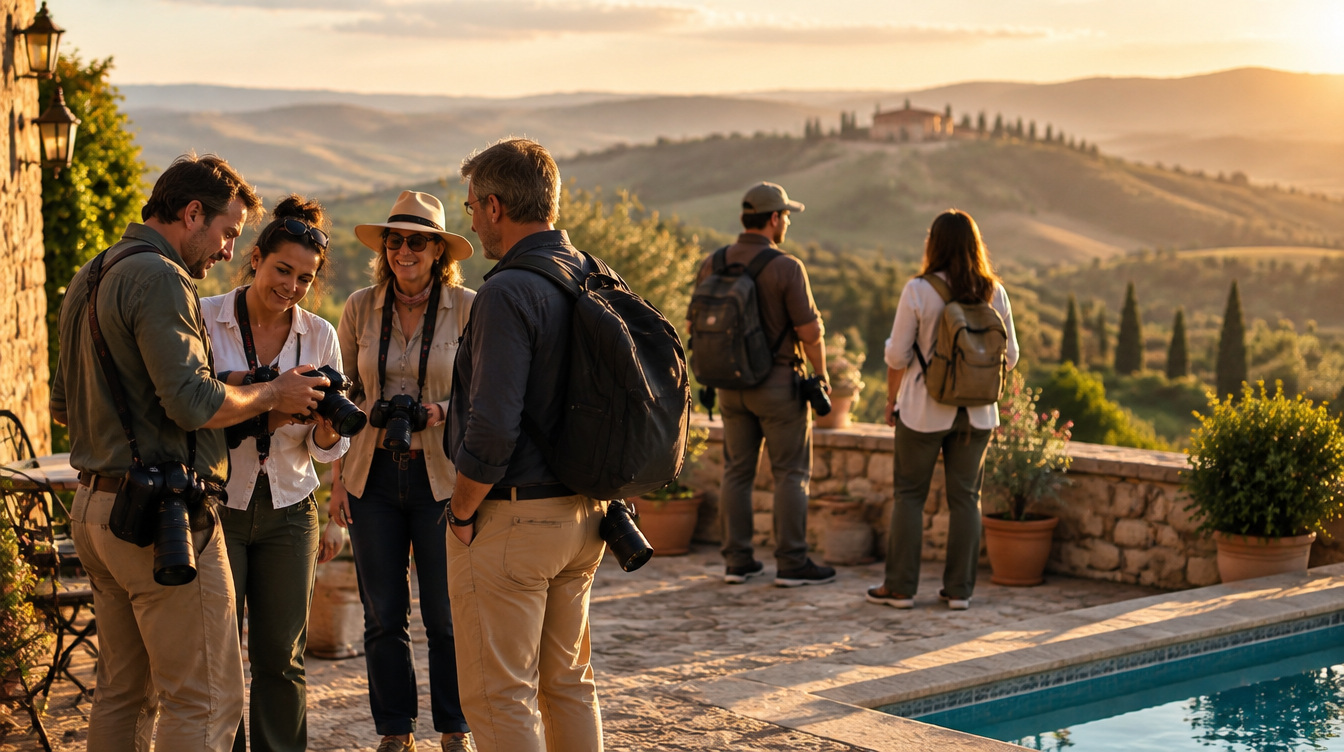
This is a guide for photographers who do not want to choose between a serious shoot list and a serious meal, because in Val d'Orcia you genuinely do not have to. The trick is building your day around both instead of treating one as a distraction from the other. That means knowing when the light is actually worth chasing, when it is not, and using the gaps for the cheese, the wine, and the kind of unhurried table that Tuscany does better than almost anywhere else I have shot.
Key Takeaways
Food and wine do not compete with photography in Val d'Orcia if you schedule around the light instead of around the clock.
| Point | Details |
|---|---|
| Midday is dead light anyway | The two to four hour window around noon produces flat, harsh photographs, which makes it the correct time for a long lunch, not a compromise |
| Pienza is the pecorino epicenter | Small producers and the town's cheese shops sell dozens of pecorino varieties aged from a few weeks to over a year |
| Wine country overlaps the photography | Montalcino and Montepulciano sit inside the same golden light you are already chasing for the hills |
| Cantina interiors need different gear | Cellar and tasting room shots call for a fast prime lens and a small tripod, not your landscape kit |
| Book ahead in shoulder season | Family run agriturismi often have one seating a night, so a dinner reservation needs to happen before you land, not the same afternoon |
Table of Contents
- Why food and wine belong in your shot list
- The schedule problem: golden hour versus dinner time
- Pienza and its pecorino
- Wine country: Montalcino and Montepulciano
- What to shoot at a winery or agriturismo
- Camera settings for food and cellar shots
- A sample two day rhythm
- Frequently asked questions
- The honest tradeoff
Why food and wine belong in your shot list
Val d'Orcia photographs the way it does because of what grows there, and what grows there is what ends up on your plate. The pale gold wheat fields you shoot in July become the bread and pasta on a farmhouse table that same season. The vineyards that turn the hills into neat green rows around Montalcino produce the Brunello you are drinking with dinner. The sheep grazing the pastures near Pienza are the same sheep whose milk becomes the pecorino sitting in a wheel on the cheese shop counter. None of this is separate from the landscape. It is the landscape, just consumed instead of photographed.
Once you see the connection, food and wine stops feeling like a break from shooting and starts feeling like research. A wine estate visit teaches you exactly which hillside produces which grape, which is the same information that tells you where the most interesting rows will be for a compositional shot at sunset. A conversation with a cheese maker in Pienza about which pastures produce the best milk in spring is the same conversation that tells you where the sheep will actually be grazing if you want them in a wide shot. Treat the meals as scouting, not downtime, and your itinerary stops fighting itself.
There is also a practical, unglamorous reason to slow down for meals in this specific region. Val d'Orcia is not a place where you can string together five viewpoints an hour the way you might in a city with everything a short walk apart. Drives between villages, farm roads, and viewpoints eat far more time than the map suggests, partly because the roads are narrow and partly because you keep pulling over for something you did not plan to shoot. A long lunch stops being wasted time the moment you accept that the alternative was probably another hour of driving between towns in light that was not going to produce anything you would print anyway.
The schedule problem: golden hour versus dinner time
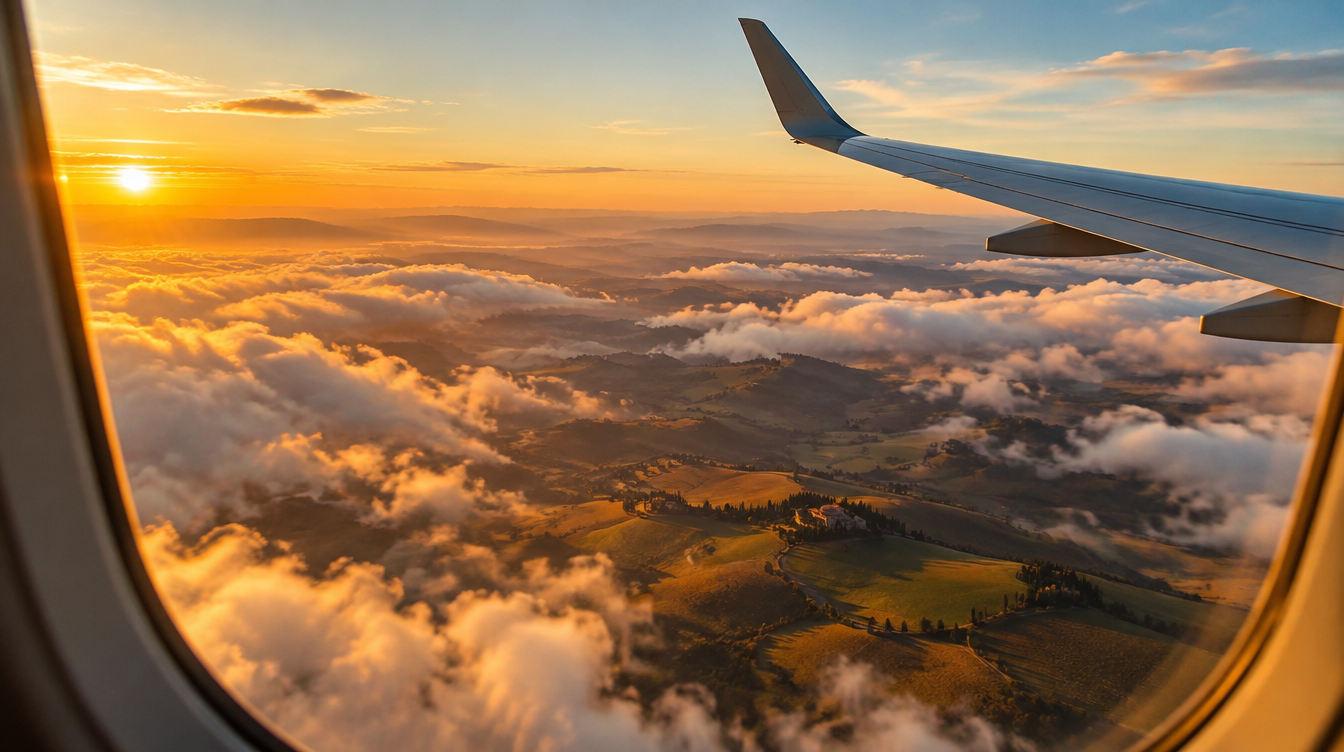
The actual scheduling conflict is smaller than most people assume. A serious landscape photography day in Val d'Orcia has two genuinely valuable windows, the hour before and after sunrise and the same around sunset, with a long dead zone in the middle where the light is too high and too harsh to be worth much. That midday dead zone, roughly eleven in the morning to three in the afternoon depending on the season, is exactly when a long Tuscan lunch happens anyway. You are not giving up shooting time for a meal. You are filling time you were not going to use productively regardless.
Dinner is the trickier one, mostly because Italian dinner starts late by American standards and sunset shoots can run right up against a 7:30 or 8:00 reservation. My rule after a few trips of getting this wrong is simple: book dinner for at least ninety minutes after your planned sunset shoot ends, not right at the edge of it. Golden hour in Val d'Orcia does not end the second the sun drops below the hills. The afterglow, the soft pink and orange light that lingers for another twenty to thirty minutes, is often the best part of the whole shoot, and you do not want to be driving to a restaurant while it is happening.
Pro Tip: Ask your agriturismo or restaurant if they can push your reservation by thirty minutes in the shoulder seasons, when sunset times shift week to week. Family run places in Val d'Orcia are used to photographers and hikers running late and will usually accommodate a short delay if you call ahead rather than just showing up late.
Pienza and its pecorino
If you have already read our deep dive on photographing Pienza, you know the town works as both a shooting location and a food destination, which is a rare combination. The pecorino shops lining Corso il Rossellino sell dozens of variations, from a young cheese aged three weeks that is soft and mild, to versions aged over a year that get sharp, crumbly, and almost parmesan like. Most shops will let you taste before buying, and a proper tasting through four or five ages is a genuinely useful way to spend the flat midday hours you were not going to shoot in anyway.
Photographically, the cheese shops themselves are worth a few frames. The wheels stacked on wooden shelves, lit by window light rather than the shop's overhead fixtures, make for a nice change of pace from wide landscape work, and they give your gallery some human scale and texture between all the rolling hill shots. Ask before shooting inside a small shop, most owners are happy to let you photograph if you ask rather than just raising a camera, and buy something if you spend real time in there.
Beyond the cheese itself, Pienza's market days are worth building a visit around if your dates line up. Local producers set up stalls selling honey, saffron, dried porcini, and cured meats alongside the pecorino, and the stalls themselves photograph well in soft overcast light, which Pienza gets more often than you would expect even outside the rainy months. A macro or short telephoto lens, something in the 90mm to 135mm range, lets you isolate a single wheel of cheese or a jar of honey against a blurred background of the stall behind it, which reads as a much more considered image than a wide shot of the whole market trying to capture everything at once.
Wine country: Montalcino and Montepulciano
Montalcino, home of Brunello di Montalcino, and Montepulciano, home of Vino Nobile, sit on the eastern and southeastern edges of Val d'Orcia, close enough that either works as a half day addition to a base in San Quirico or Pienza. Both hill towns are worth photographing in their own right, with Montalcino's fortress walls and Montepulciano's steep medieval streets, but the wineries surrounding them are where the food and photography angle really pays off.
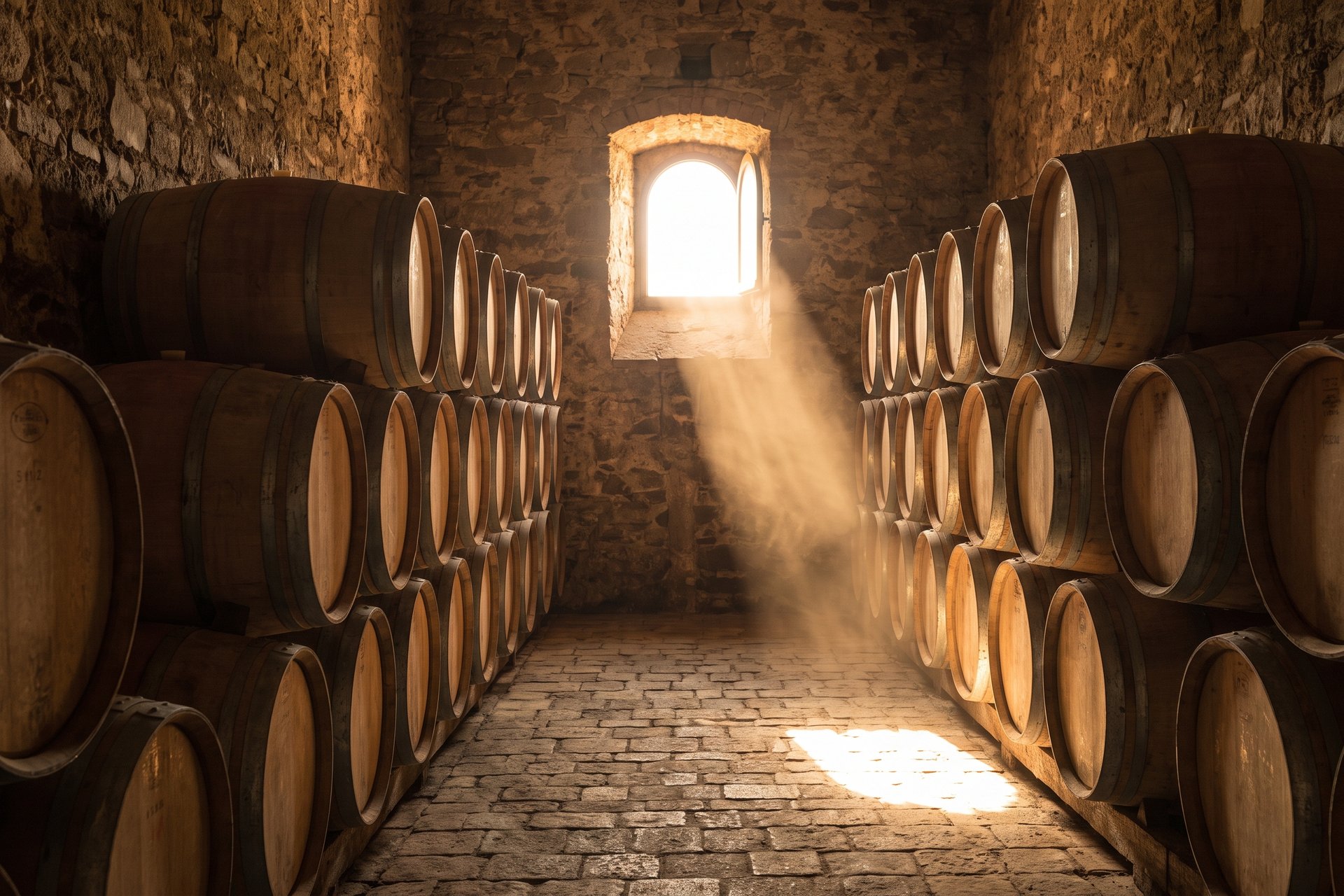
A tasting at a working estate almost always includes a walk through the vineyard rows, and that walk is your chance to shoot the same compositions you have been photographing from a distance, just from inside them. Leading lines of vine rows converging toward a farmhouse, the texture of grape clusters backlit by late afternoon sun, barrels stacked in a dim cellar with a single shaft of light cutting through a doorway. These are different pictures than the wide hill shots everyone brings home, and they only happen if you build wine country into your itinerary rather than skipping straight to the next viewpoint.
| Region | What you are tasting | Best photographic angle |
|---|---|---|
| Montalcino | Brunello di Montalcino, a Sangiovese aged at least five years | Fortress ramparts at sunset, vine rows on the steep slopes below town |
| Montepulciano | Vino Nobile di Montepulciano | Steep, narrow medieval streets, terrace views over the Val di Chiana |
| Pienza countryside | Pecorino di Pienza, several ages, plus local honey and pici pasta | Cheese shop interiors, shepherd's huts, grazing sheep in the valley below town |
| Bagno Vignoni area | Simple trattoria fare, wild boar ragu, local olive oil | Not primarily a food stop, better paired with the thermal square shoot itself |
What to shoot at a winery or agriturismo
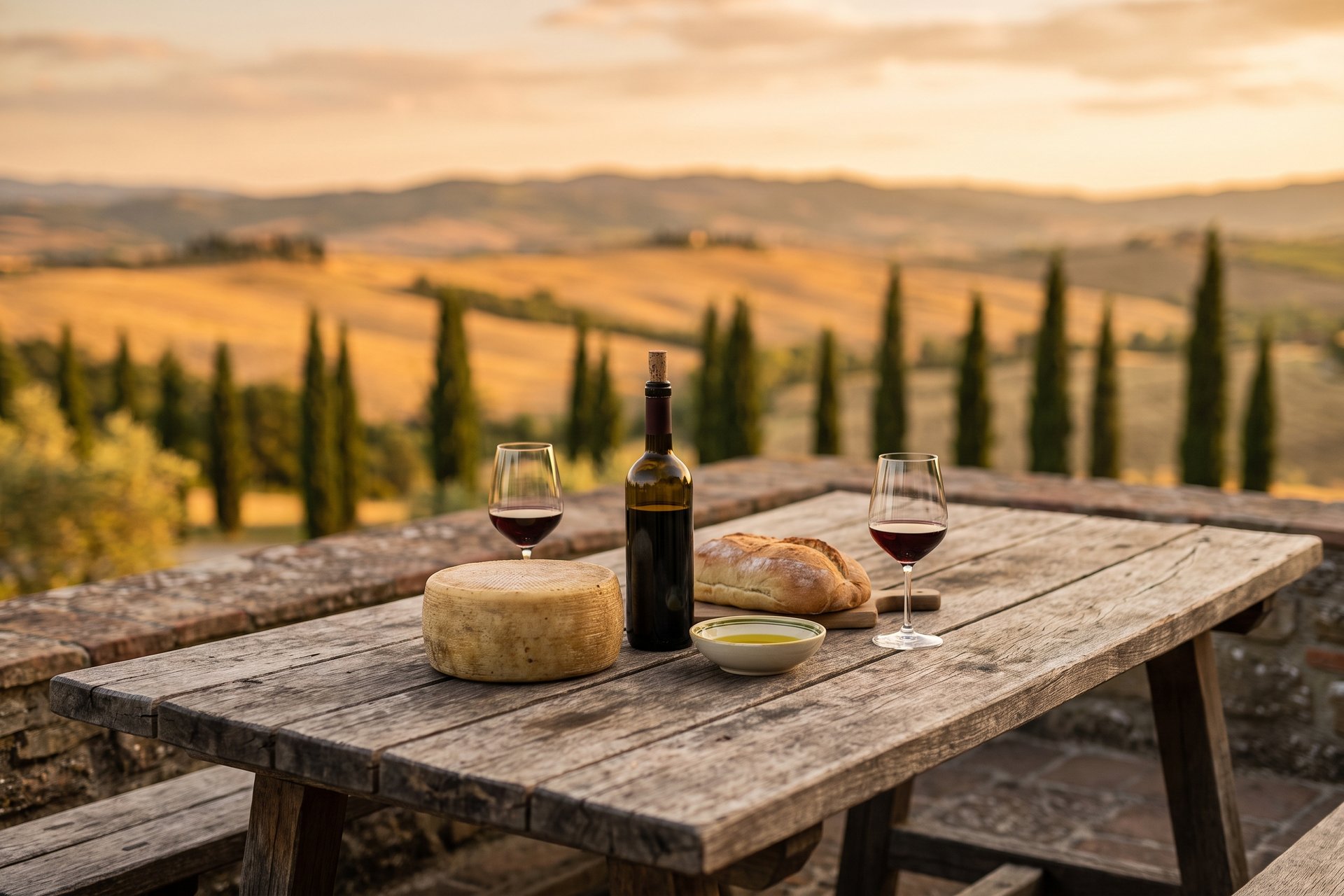
A few specific frames are worth planning for rather than hoping to stumble into. The cellar itself, usually lit by a handful of warm bulbs and full of oak barrels, rewards a wide aperture and patience more than any special technique. Ask if a tour guide can pause near a single barrel with light falling across it rather than shooting the whole row, since one well lit barrel reads as a stronger image than a dozen flat ones. The tasting table itself, glasses lined up with wine at different stages next to a plate of bread and oil, works well shot from a low angle with a shallow depth of field so the background hills blur into soft color rather than competing for attention.
If your visit lines up with harvest, which runs roughly from early September through October depending on the grape and the year, ask ahead whether you can photograph the actual picking. Estates that do agritourism are usually receptive to a photographer tagging along for twenty minutes during a harvest morning, and the hands in the vines, the crates filling with grapes, and the trucks hauling fruit back to the crusher are a completely different set of images than anything you will get from a tasting room. This is exactly the kind of experience our Tuscany photo tours are built around, pairing the technical landscape work at sunrise and sunset with the kind of access to working farms and wineries that is much harder to arrange on your own with a rental car and a guidebook.
Do not overlook the bottling and labeling side of a smaller estate either. Family run wineries often store finished bottles in a separate, cooler room stacked floor to ceiling, and the repetition of identical labels under a single hanging bulb makes for a strong graphic frame if you shoot it straight on with a mid range zoom around 35mm to 50mm. It is a smaller, quieter image than a sweeping vineyard shot, but it is the kind of detail frame that makes a gallery of a Tuscany trip feel complete rather than like ten variations on the same hillside photograph.
Camera settings for food and cellar shots
Food and cellar photography asks for a different setup than the wide landscape kit you have been using all morning, and it catches a lot of photographers off guard on their first Tuscany trip. For a table shot in natural window light, a 50mm or 85mm prime at f/2.0 to f/2.8 gives you the shallow depth of field that separates a plate of pici from a cluttered background, and it lets you shoot handheld at a reasonable shutter speed without bumping ISO too high. Skip the flash entirely. On camera flash flattens food and turns wine glasses into a mess of hot reflections, and even a bounce flash rarely looks as good as a table near a window with the curtain half open.
Cellars are darker than they look to your eye, since your brain compensates for the dim, warm light far better than a sensor does. I usually end up around ISO 1600 to 3200 with a fast prime, f/1.8 to f/2.8, and a shutter speed no slower than 1/60 handheld. A small travel tripod earns its weight here if the estate allows it, since it lets you drop ISO back down and hold a longer exposure for a genuinely sharp barrel or bottle shot instead of fighting grain in every cellar frame. White balance is worth setting manually rather than trusting auto, since most cellar lighting runs warm tungsten and auto white balance will often try to correct that warmth right out of the shot, which kills the mood you were actually trying to capture.
Pro Tip: Shoot a quick reference frame of a white napkin or the tasting menu under the cellar's actual lighting before you start, then use it to set a custom white balance in camera. It takes ten seconds and saves a lot of correction work later, especially if you are shooting raw and want the warmth to read as intentional rather than as an uncorrected color cast.
A sample two day rhythm
Here is roughly how I structure two days that mix serious shooting with a serious appetite, based on a base in or near Pienza. Adjust the exact times to the season, since sunrise and sunset shift by nearly two hours between June and December in Tuscany.
| Time | Day one | Day two |
|---|---|---|
| Pre dawn | Sunrise shoot on the cypress road outside San Quirico | Sunrise from a hilltop above Pienza, fog permitting |
| Mid morning | Walk Pienza's historic center, shoot the cheese shops | Drive to Montalcino, photograph the fortress and streets |
| Midday | Long lunch with a pecorino tasting | Winery tour and tasting, cellar photography |
| Afternoon | Rest, edit, scout tomorrow's sunset spot | Vineyard walk for row and barrel shots |
| Sunset | Golden hour over the valley from a hilltop viewpoint | Sunset over Montalcino's vineyards from the fortress walls |
| Evening | Dinner booked ninety minutes after sunset ends | Dinner at an agriturismo, ideally the same estate you toured |
Notice that neither day sacrifices a single sunrise or sunset, which are the two windows that actually matter for landscape work. Everything food and wine related happens in the hours you were going to spend driving, resting, or eating a rushed lunch regardless. The only real planning discipline is booking dinner with enough buffer after sunset and confirming winery visits ahead of time rather than showing up and hoping for a slot.
Frequently asked questions
Do wineries in Val d'Orcia mind photographers? Most working estates that offer tastings are used to visitors bringing cameras and are happy to have you photograph the cellar and vineyard, though it is polite to ask before shooting other guests or estate staff up close.
Is it worth booking a food and wine experience through a tour operator instead of showing up independently? For a single tasting, showing up independently works fine if you book ahead by phone or email. For harvest access, cellar tours with actual explanation of the process, or pairing a tasting with the right light for photography, a guide who knows the estates personally saves a lot of trial and error.
What is pici, and is it worth seeking out? Pici is a thick, hand rolled pasta specific to the Val d'Orcia and Siena area, traditionally served with a wild boar ragu or a simple garlic and breadcrumb sauce called pici all'aglione. It is one of the more distinctive regional dishes and worth ordering over a more generic pasta if you see it on a menu.
How much time should I budget for a winery visit? A basic tasting runs about an hour. If you want the vineyard walk, the cellar tour, and time to actually photograph both without rushing, budget closer to two and a half hours, especially if the estate is a farther drive from your base.
The honest tradeoff
There is one genuine cost to building a trip this way, and it is worth naming honestly. A long lunch or a two hour winery visit does eat into the time you would otherwise spend scouting new locations or resting before a demanding sunrise shoot. If your entire goal is maximizing the number of viewpoints covered in a week, food and wine time is real time taken away from that goal. But if your goal is coming home with images that feel like they understand the place rather than just document it, the meals are not a distraction from that. They are often where the understanding actually happens, and it shows in the pictures, even the purely landscape ones, once you have spent a few hours learning why the hills look the way they do.
If autumn is when you are traveling, pair this guide with our piece on Tuscany in autumn, since harvest season is when the food and wine side of a Val d'Orcia trip is at its most photogenic, with grape picking, the first pressing, and market stalls full of porcini mushrooms and fresh olive oil all happening within the same few weeks you are chasing harvest light and morning fog.
Sources
- Visit Tuscany: official regional guide to Tuscan food and wine
- Food & Wine: Tuscany travel guide covering regional cuisine