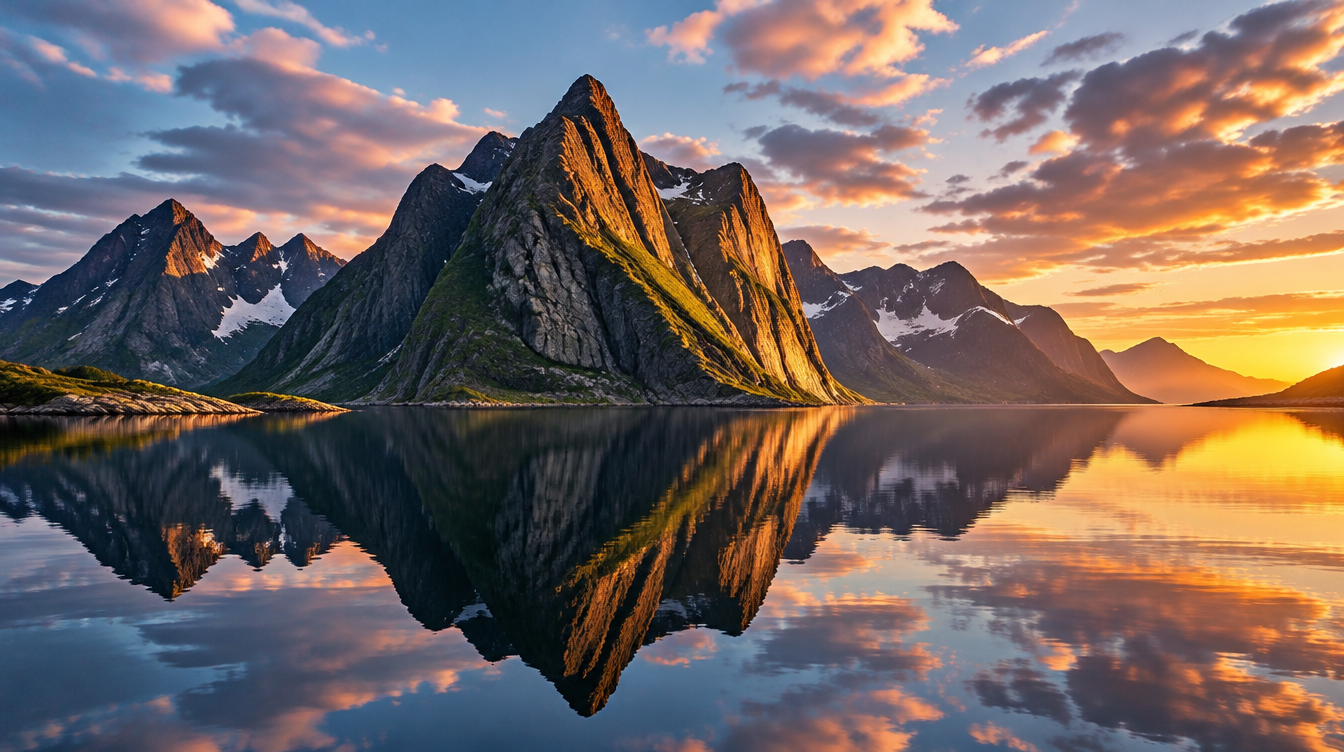
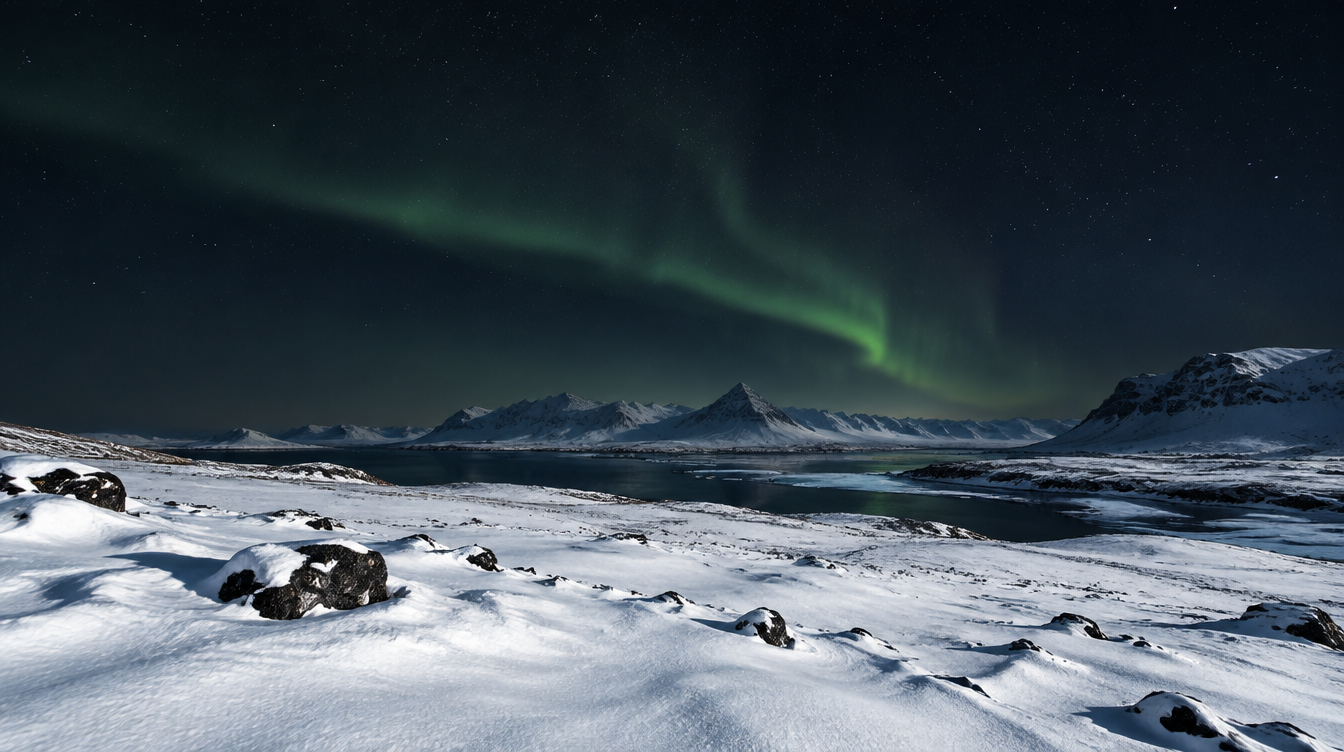
Golden Hour in Tuscany vs Iceland: Two Very Different Kinds of Magic Light
Why golden hour lasts under an hour in Val d'Orcia but can stretch across a whole summer evening in Iceland, and how to adjust your camera settings, gear, and editing for each.
Golden Hour in Tuscany vs Iceland: Two Very Different Kinds of Magic Light
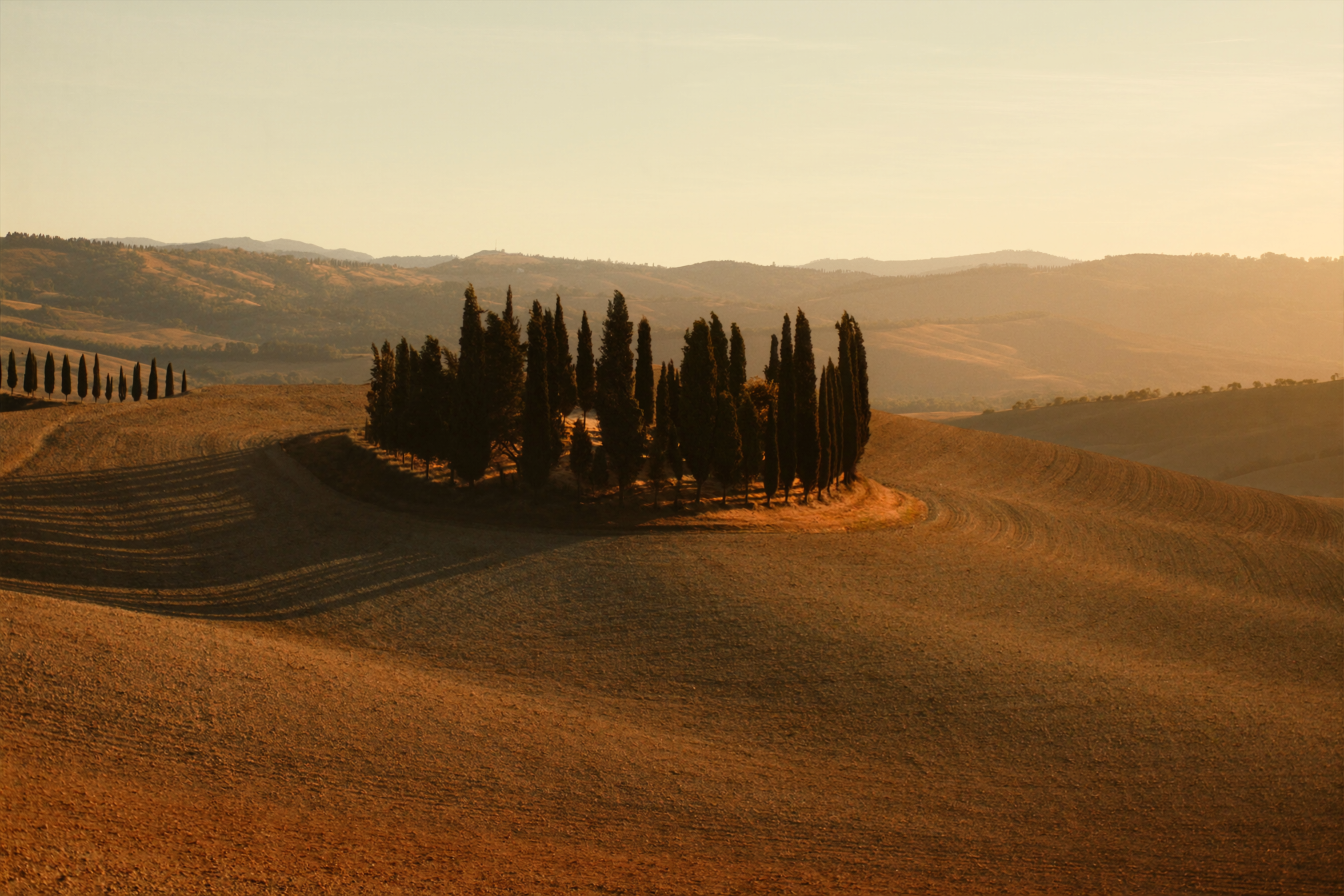
I used to think golden hour was golden hour, wherever you happened to be standing with a camera. Then I spent one June evening on a hillside above Pienza watching the light turn from white to amber to a deep, syrupy orange in about forty minutes flat, and a few months later I stood on a black sand beach in the south of Iceland at eleven at night watching a nearly identical looking amber light just sit there, barely moving, for what felt like hours. Same word, completely different experience. If you shoot both destinations, or you are trying to decide which one to book first, it helps to understand exactly why the light behaves so differently in each place, because it changes how you plan your shoot days, what gear you actually need, and even what white balance you dial in before you press the shutter.
This is not a "which destination is better" argument. Both are extraordinary for landscape photography and for very different reasons. What I want to walk through here is the physics and the practical shooting reality of golden hour in Val d'Orcia compared to golden hour, or more accurately the long twilight that stands in for it, in Iceland. By the end you should know which one fits the kind of images you are chasing, and how to adjust your settings and your schedule for each.
Key Takeaways
Tuscany and Iceland both deliver spectacular low angle light, but the mechanics behind that light, and how long you get to work with it, are almost opposites.
| Point | Details |
|---|---|
| Tuscany golden hour length | Roughly 30 to 45 minutes in most seasons, shorter in summer, driven by the region's mid latitude position around 43 degrees north |
| Iceland golden hour length | Can stretch for two hours or more in summer, and near the solstice barely ends at all above the Arctic Circle, because of Iceland's high latitude around 64 to 66 degrees north |
| Color character | Tuscany trends warm amber to orange, softened by summer haze; Iceland trends warm gold blending into cool blue at the edges of the sky, a more layered palette |
| White balance starting point | Around 3200 to 3600K for a warm but natural Tuscany look; Iceland often needs a split approach, warmer for the foreground light and cooler for the sky |
| Best gear priority | Tuscany rewards a mid telephoto for compressing hills; Iceland rewards a sturdy tripod and a solid ND filter for long exposures during the extended light |
| Planning difficulty | Tuscany golden hour is short and predictable, so timing matters; Iceland's light is long and forgiving in summer, but wildly different in winter, so season matters more than the clock |
Table of Contents
- The short version
- What makes Tuscany's golden hour so fast
- Why Iceland's light refuses to end
- Side by side comparison
- Camera settings for warm light vs layered light
- Gear that actually earns its place in your bag
- Editing the two kinds of light differently
- Which destination fits your style
- Planning a trip around either kind of light
- Frequently asked questions
- Sources
The short version
In Tuscany, golden hour is a sprint. The sun drops toward the horizon at a fairly steep angle because Val d'Orcia sits at roughly 43 degrees north latitude, which is closer to the equator than most people assume for a place that looks so lush and green in photographs. That steep angle means the sun crosses the good light zone quickly. You get a warm, workable window of maybe half an hour to forty five minutes, and then it is gone, replaced by a short blue hour and then real darkness.
In Iceland, golden hour is a marathon, at least for half the year. Because Iceland sits up around 64 to 66 degrees north, close to or inside the Arctic Circle, the sun's path near the summer solstice is so shallow that it barely dips below the horizon at all in the north of the country, and even in the south, around Reykjavik and the black sand beaches near Vik, the transition from golden light to blue twilight and back again can take several hours rather than minutes. You are not chasing a short window, you are managing an entire evening of slowly shifting light.
Pro Tip: Before either trip, look up sun angle and azimuth for your actual travel dates, not just sunset time. A sunset app that shows the sun's elevation angle will tell you far more about how long your good light will last than the clock time alone.
What makes Tuscany's golden hour so fast
Latitude is the whole story here. Closer to the equator, the sun's daily path is more perpendicular to the horizon, so as it approaches sunset it drops quickly through the last few degrees of elevation where the light turns warm and directional. That is why in Val d'Orcia, from spring through autumn, you genuinely have to be in position and ready to shoot the moment the light starts turning, because you will not get a second chance that evening. I have missed the good ten minutes in Pienza more than once because I was still adjusting a tripod leg, and by the time I was set up the light had already flattened back toward blue.
Summer haze adds another layer to the Tuscan golden hour that is worth understanding on its own. Through July and August especially, a fine atmospheric haze builds up over the valley during the heat of the day. As the sun drops low, its light has to pass through more of that hazy atmosphere at a grazing angle, which scatters the blue wavelengths out and leaves you with an even warmer, softer, almost diffused version of golden hour than you would get on a clear day. It is beautiful, but it also means contrast drops fast, which is worth knowing before you go in expecting crisp, punchy hillside shadows the way you might in October.
The other factor that shapes Tuscan golden hour is the landscape itself. Val d'Orcia is made up of rolling clay hills with relatively little vertical relief, so the low sun rakes across the terrain almost horizontally, carving out every furrow, every row of vines, every solitary farmhouse in long shadow. This is why a Tuscany golden hour shot so often has that three dimensional, sculpted look even though the actual topography is fairly gentle. The light is doing most of the work that steeper mountains would otherwise do for you.
Why Iceland's light refuses to end
Iceland flips the whole equation. At high latitude, the sun's path near the horizon becomes much more oblique, meaning it travels sideways along the horizon almost as much as it travels downward. Near the summer solstice in June, that shallow path is so extreme that in the north of the country the sun never fully sets, producing what everyone calls the midnight sun. Even in the south, around Reykjavik, full darkness does not really arrive in June. What you get instead is a long, slow rotation through gold, pink, and blue that can last most of the night.
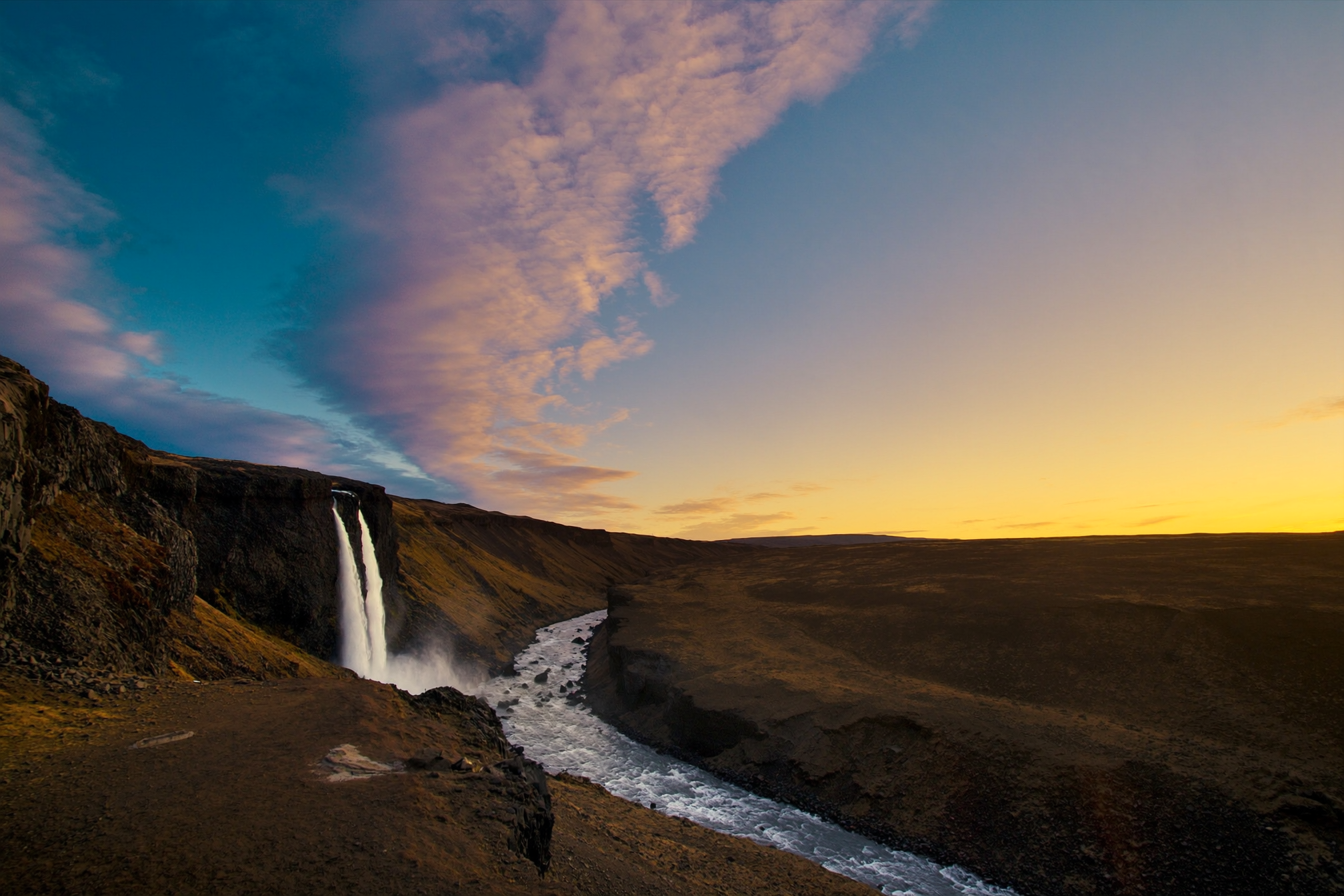
That long transition is the real gift for a photographer. Instead of a single forty five minute window, you can shoot a warm, low angle light at eight in the evening, again at ten, and again at midnight, and each version looks meaningfully different because the sun's azimuth, its position along the horizon, keeps shifting even though its elevation barely changes. I have shot the same waterfall in Iceland three times in one "evening" that stretched from 9pm to nearly 1am, and the light in each frame told a different story.
The tradeoff is that this only really applies in the warmer months. Visit Iceland in December instead of June and the situation reverses dramatically. Days are short, the sun barely climbs above the horizon even at noon, and you effectively get a single long, low, blue tinted twilight that lasts a few hours in the middle of the day rather than a golden hour bookending a long summer evening. If your goal is that famous stretched out golden light, summer is the season, not winter, despite what a lot of general Iceland travel advice suggests when it pushes people toward winter for the northern lights instead.
Pro Tip: In Iceland during summer, do not treat "golden hour" as a fixed clock window at all. Treat the entire evening from roughly 8pm to 2am as one long shooting session with a slowly changing color temperature, and plan your locations around when the light's direction will suit each specific composition rather than around a single sunset time.
Side by side comparison
| Factor | Tuscany (Val d'Orcia) | Iceland |
|---|---|---|
| Approximate latitude | 43 degrees north | 64 to 66 degrees north |
| Typical golden hour length | 30 to 45 minutes | 2 or more hours in summer, near continuous around solstice |
| Best months for long, warm light | Year round, most dramatic April to June and September to October | Late May through July |
| Dominant color story | Warm amber and orange, softened by haze in summer | Warm gold in the foreground light blending into cool blue toward the poles of the sky |
| Shooting pace | Fast and reactive, you move quickly between compositions | Slow and deliberate, you can rework one composition for hours |
| Typical subject | Rolling hills, cypress rows, hill towns | Waterfalls, black sand coastlines, glacier lagoons, mountains |
Camera settings for warm light vs layered light
For Tuscany, I shoot most golden hour landscapes with white balance set manually somewhere between 3200K and 3600K rather than trusting auto white balance, which tends to fight the warmth and pull the image back toward a flatter, more neutral look. Manual white balance also keeps your color consistent across a bracket of shots taken over that fast moving thirty to forty five minute window, which matters if you plan to blend exposures later. Aperture wise, I am usually between f/8 and f/11 for a classic rolling hills composition, prioritizing depth of field across a scene with a foreground row of vines or cypress trees and a background ridge line. ISO stays at base, 100 on most modern mirrorless bodies, since you have enough light in golden hour to keep shutter speeds reasonable without pushing sensitivity.
Iceland asks for a more flexible approach because the light itself is more variable across a single session. Early in the evening, when the light is still warm and directional, similar Tuscany style settings work fine. As the night stretches on and you move into the blue hour blend, I will often shoot two versions of the same composition, one exposed and white balanced for the warm foreground light hitting a waterfall or cliff face, and a second for the cooler blue sky above it, then blend them in post if the dynamic range is too wide for a single frame. A three stop graduated ND filter earns its keep here, holding back a bright sky while your foreground, lit at a grazing angle, stays properly exposed.
Shutter speed is where the two destinations diverge the most. In Tuscany I am rarely going below a quarter second unless I am deliberately blurring wind moving through wheat or grass. In Iceland, moving water is everywhere, and the extended low light window is exactly when long exposure photography shines. A one to two second exposure at f/11, using a three or six stop ND filter, will smooth a waterfall or turn incoming surf on a black sand beach into that soft, misty look without needing to wait for genuine darkness, since the light stays workable for so long.
Pro Tip: If you only pack one filter for a Tuscany trip, make it a circular polarizer to cut haze and boost the hills' natural saturation. If you only pack one filter for Iceland, make it a solid ND in the three to six stop range so you can shoot long exposures at any point during that long evening light without switching gear.
Gear that actually earns its place in your bag
For Tuscany, a mid range telephoto, something in the 70 to 200mm range, does more work than people expect. Val d'Orcia's hills reward compression, stacking layers of ridgelines on top of each other and pulling a distant cypress row or farmhouse closer into the frame. I use a wide angle for maybe a third of my shots there and the telephoto for the rest, which surprises photographers who show up assuming landscape photography always means wide angle first.
For Iceland, the priority flips toward a genuinely sturdy tripod and reliable weather sealing, since wind and spray are constant companions near waterfalls and coastlines. A wide angle in the 16 to 24mm range earns more use here, since Icelandic landscapes tend to have dramatic foreground elements, a moss covered lava rock, a stream bed, a cluster of icebergs on a black sand beach, that you want close and large in the frame with the mountain or glacier behind it still reading clearly. Bring spare batteries too. Cold temperatures drain them faster, and a long session shooting through hours of extended twilight will eat through power quicker than a Tuscany evening ever will.
If you are deciding what to actually pack and are torn between kits for either destination, our practical lens comparison for Tuscany photography walks through the wide angle versus telephoto tradeoff in more depth, specifically for Val d'Orcia's hills.
Editing the two kinds of light differently
The differences do not stop once you get home and open Lightroom. A Tuscany golden hour file usually needs fairly light handed editing. The color is already doing most of the work straight out of camera, so I mostly nudge the shadows up slightly to hold detail in the hillside furrows, pull highlights down a touch if the sky is bright, and leave white balance close to what I shot in camera. Pushing saturation too hard on an already warm Tuscany file is the fastest way to end up with that oversaturated, slightly cartoonish look that makes a real landscape read as fake.
Iceland files ask for more deliberate work, mostly because a single frame can genuinely contain two different color temperatures at once, the warm foreground and the cooler sky. I will often use a radial or linear gradient mask in Lightroom to treat each zone separately, warming the rock or water in the foreground slightly beyond what the sensor recorded and letting the sky stay cooler and more blue, which mirrors what my eye actually saw standing there far more accurately than a single global white balance slider ever could. If you shot a bracket during that long twilight, blending two or three exposures for dynamic range is common too, since the gap between a bright sky and a shadowed lava field can exceed what a single raw file comfortably holds even on a modern sensor.
One habit that helps in both places is checking your histogram in the field rather than trusting the rear screen, which tends to look more dramatic than the actual file, especially in Iceland's long twilight when your eyes have adjusted to low light and everything on screen looks brighter than it will once you get it onto a calibrated monitor back home.
Which destination fits your style
If you are the kind of photographer who likes to work fast, react to changing light, and come home with a wide variety of compositions from one evening, Tuscany's short, intense golden hour rewards that instinct. You learn to scout in advance, position yourself before the light turns, and execute quickly. If you prefer to settle into one composition, take your time with a tripod, and methodically bracket exposures while the light slowly evolves around you, Iceland's extended twilight is closer to a meditative shooting experience than a race against the clock.
Honestly, most photographers I talk to end up wanting both eventually, and for good reason, since the skills you build in one destination genuinely transfer to the other. If Val d'Orcia's warm, fast moving light and rolling hills sound like the trip you want to start with, our Tuscany photo tours are built specifically around chasing that short golden hour window at the right villages and viewpoints each evening, with a guide who already knows where the light will land twenty minutes before it happens, which matters enormously when your shooting window is measured in minutes rather than hours.
Planning a trip around either kind of light
For Tuscany, the planning question is which month, since the length and quality of golden hour stays fairly consistent through the shooting season and mostly shifts with haze levels and crop colors rather than with light duration itself. Our month by month guide to timing a Tuscany photography trip breaks down exactly which weeks give you green hills, golden wheat, or harvest color to shoot during that short but reliable evening window.
For Iceland, the planning question is bigger than which month, it is which season entirely, because summer and winter offer almost opposite lighting experiences. If extended golden and blue hour light is specifically what you are after, late May through July is the target window, ideally avoiding the very peak of the solstice if you also want at least a little proper darkness for night photography on the same trip.
Frequently asked questions
Is golden hour actually shorter in Tuscany than in most of the US? For most of the continental United States, golden hour length is fairly similar to Tuscany's, since a lot of the US sits in a comparable latitude band. The comparison only becomes dramatic against a genuinely high latitude destination like Iceland, northern Norway, or Alaska.
Can you get a long, Iceland style golden hour in Tuscany during any season? Not really, since the length of golden hour is governed by latitude and time of year rather than local weather. Tuscany's window will always be shorter than Iceland's summer window, though winter does soften the transition slightly because the sun's arc is lower and flatter across the whole day.
Do I need different camera gear for each destination, or can one kit handle both? A single well chosen kit, a wide to mid telephoto zoom, a sturdy tripod, a polarizer, and a graduated or solid ND filter, will genuinely cover both destinations. The difference is emphasis. Lean more on the telephoto and polarizer for Tuscany, and more on the wide angle and ND filter for Iceland.
Which destination is better for a first time landscape photography trip? Tuscany is generally the gentler starting point. The short, predictable golden hour teaches good habits around scouting and timing without the added complexity of extreme weather, cold, or the logistics of driving Iceland's Ring Road.